
Nebulas
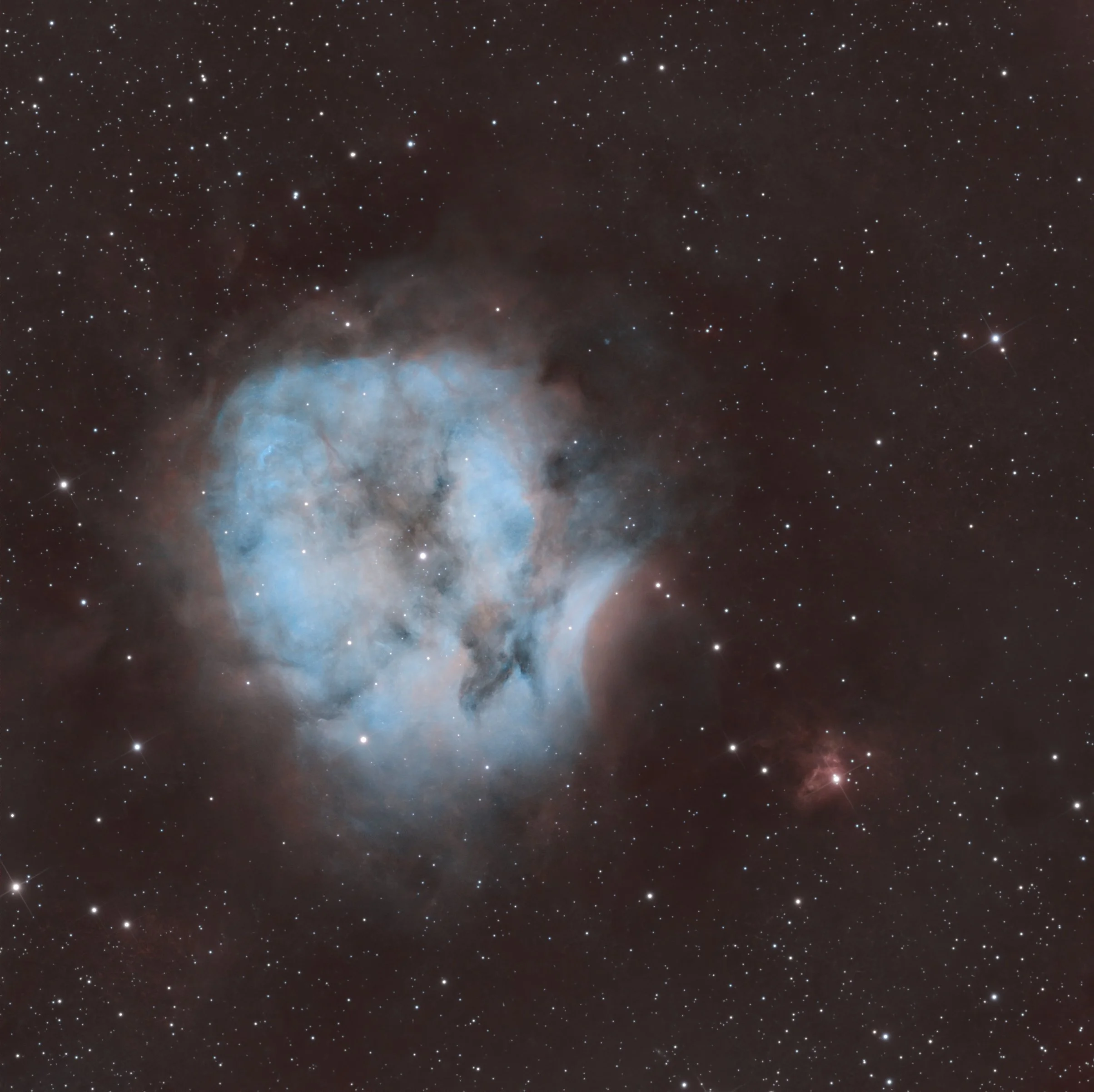
12 hours of total exposure across 4 clear nights in Mars Hill, NC reveal the intricate narrowband gas structures of IC 5146.
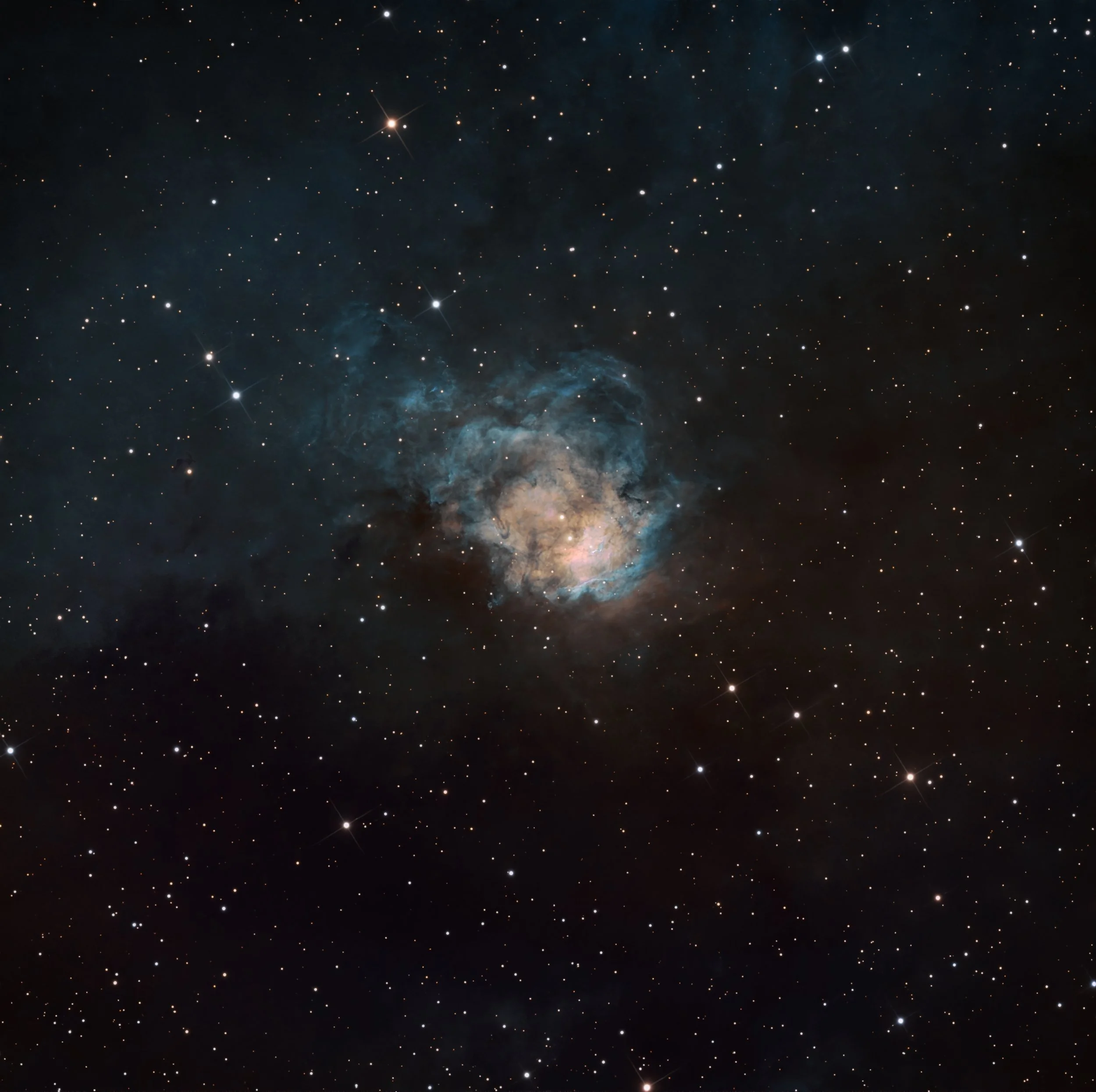
Over three clear nights in Mars Hill, NC, I set my sights on NGC 7538 for the very first time. After overcoming a meridian flip hiccup on night one, I captured 10 hours of narrowband integration—revealing the dramatic, glowing structures of this active stellar nursery.
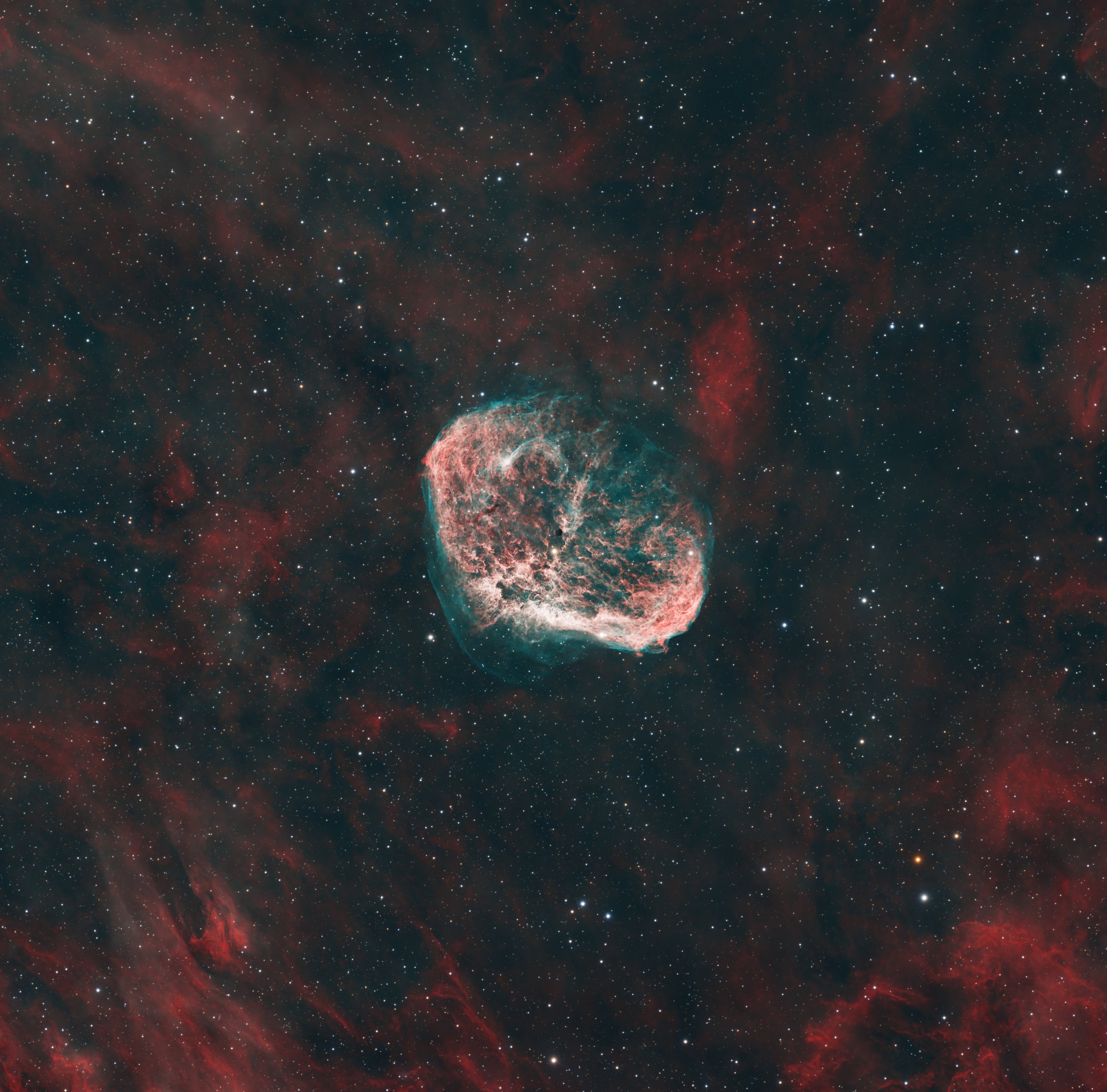
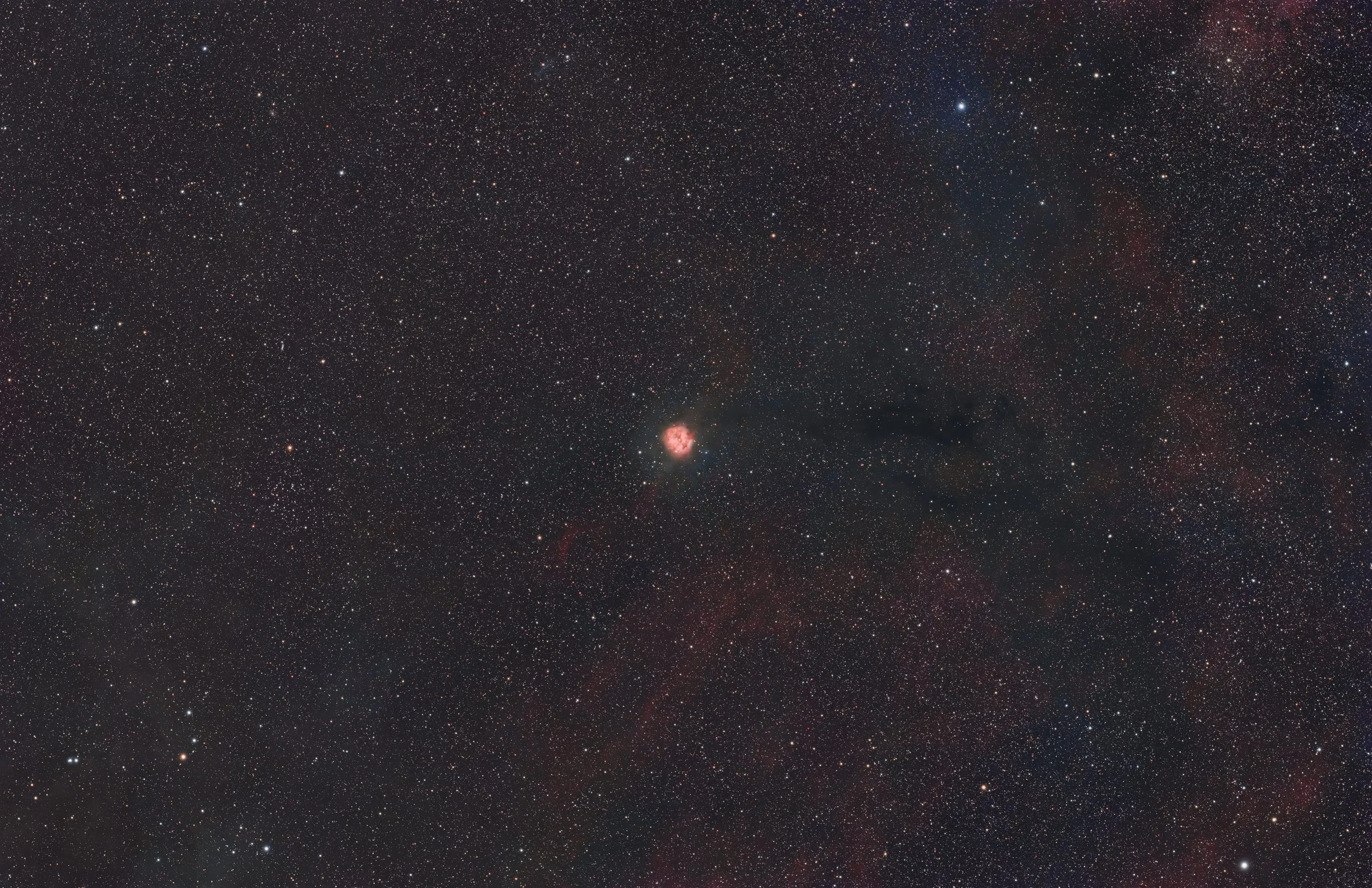
A three-night journey across two skies capturing the Cocoon Nebula (IC 5146) and the expansive dark dust lane of Barnard 168.
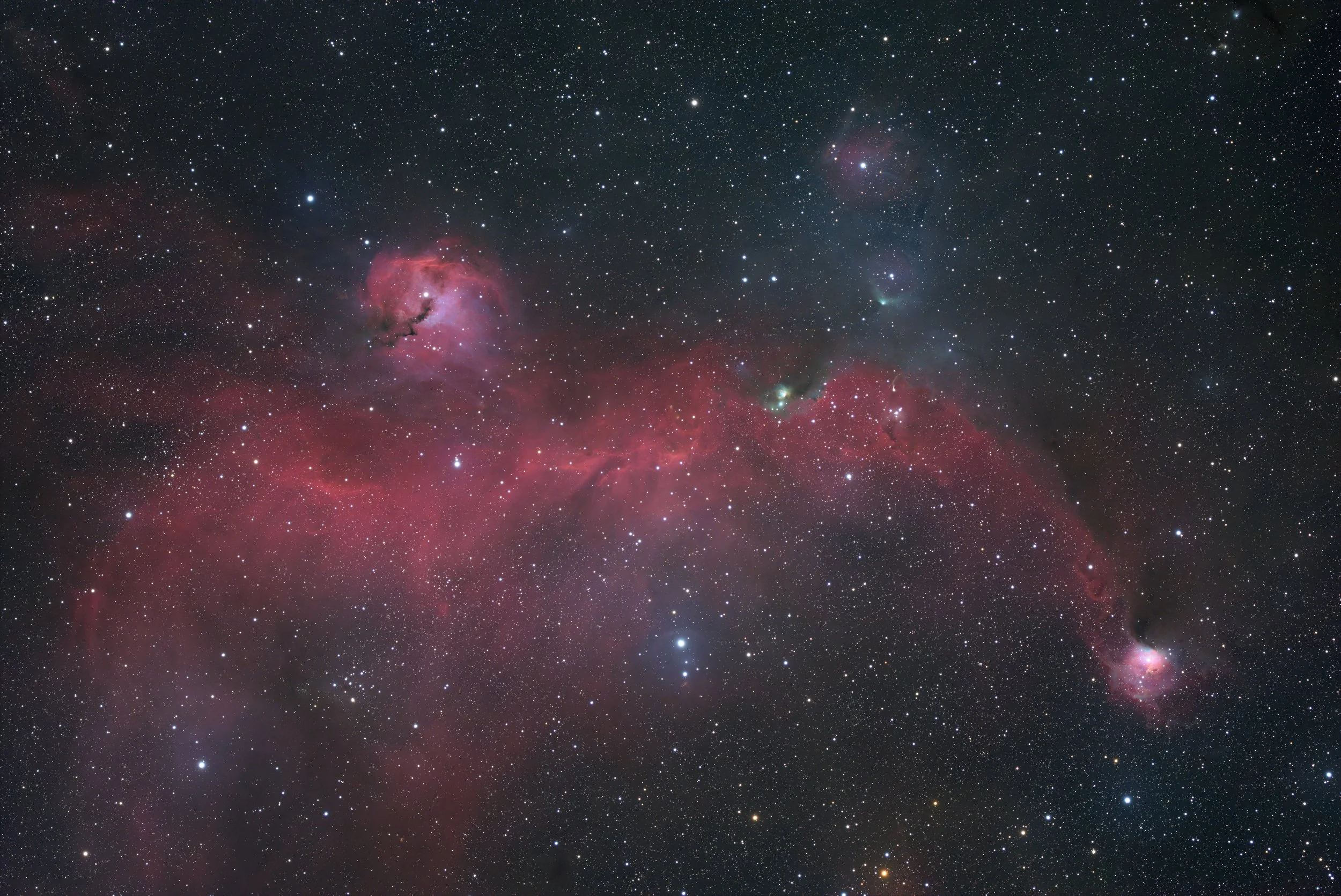
Captured over three windy but beautiful nights at the 2026 Winter Star Party in the Florida Keys, this Seagull Nebula image reflects both the magic of the southern skies and a week shared with old and new friends alike.
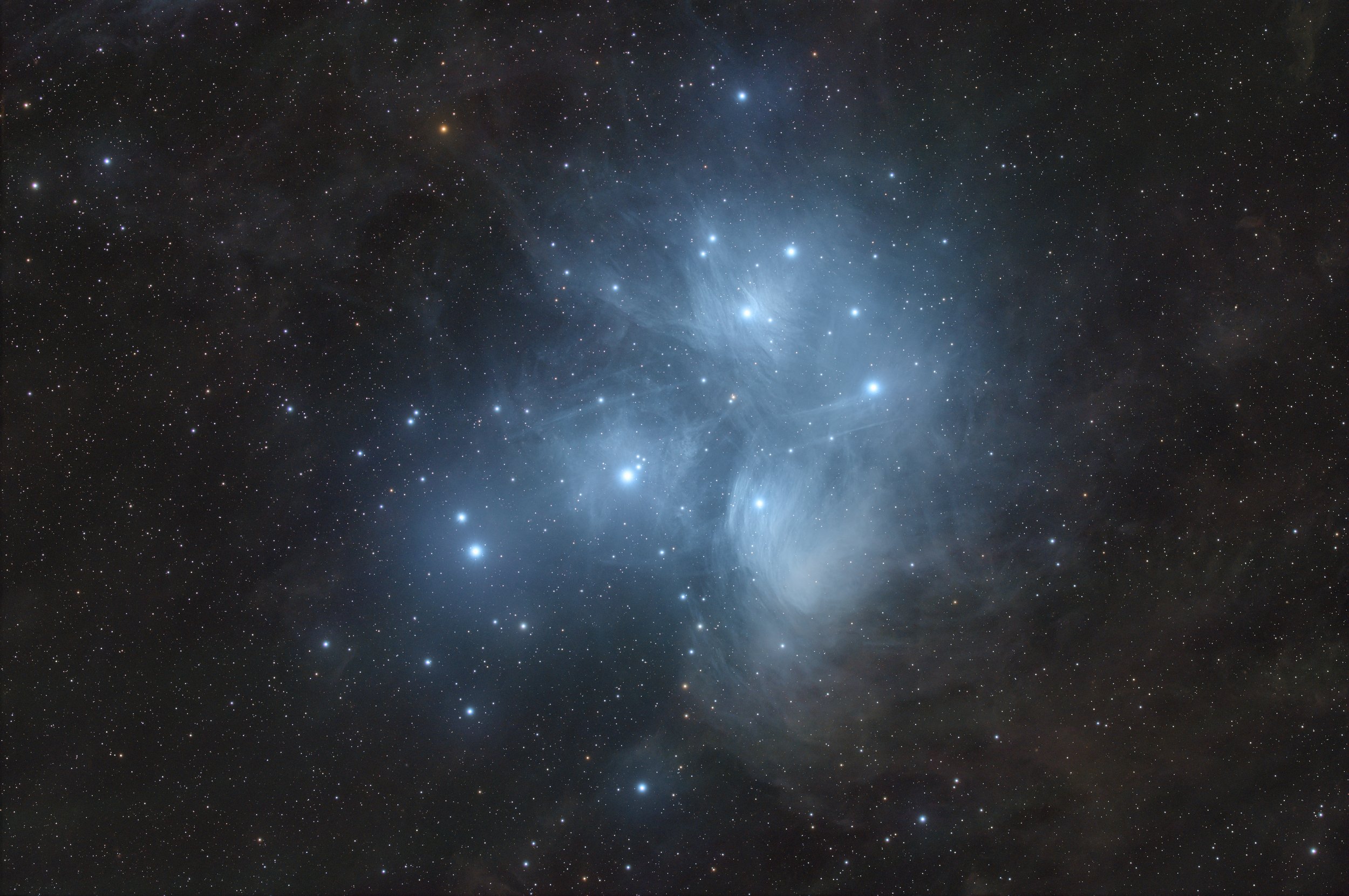
Captured during the Winter Solstice event at Big Cypress National Park, this image of M45—the Pleiades, was created from 75 two-minute exposures using a fast f/3.6 imaging setup. More than 2,450 attendees shared the night as live-stacked images revealed this iconic star cluster in real time, blending public outreach with a deep-space target that first sparked my astrophotography journey nearly 20 years ago.
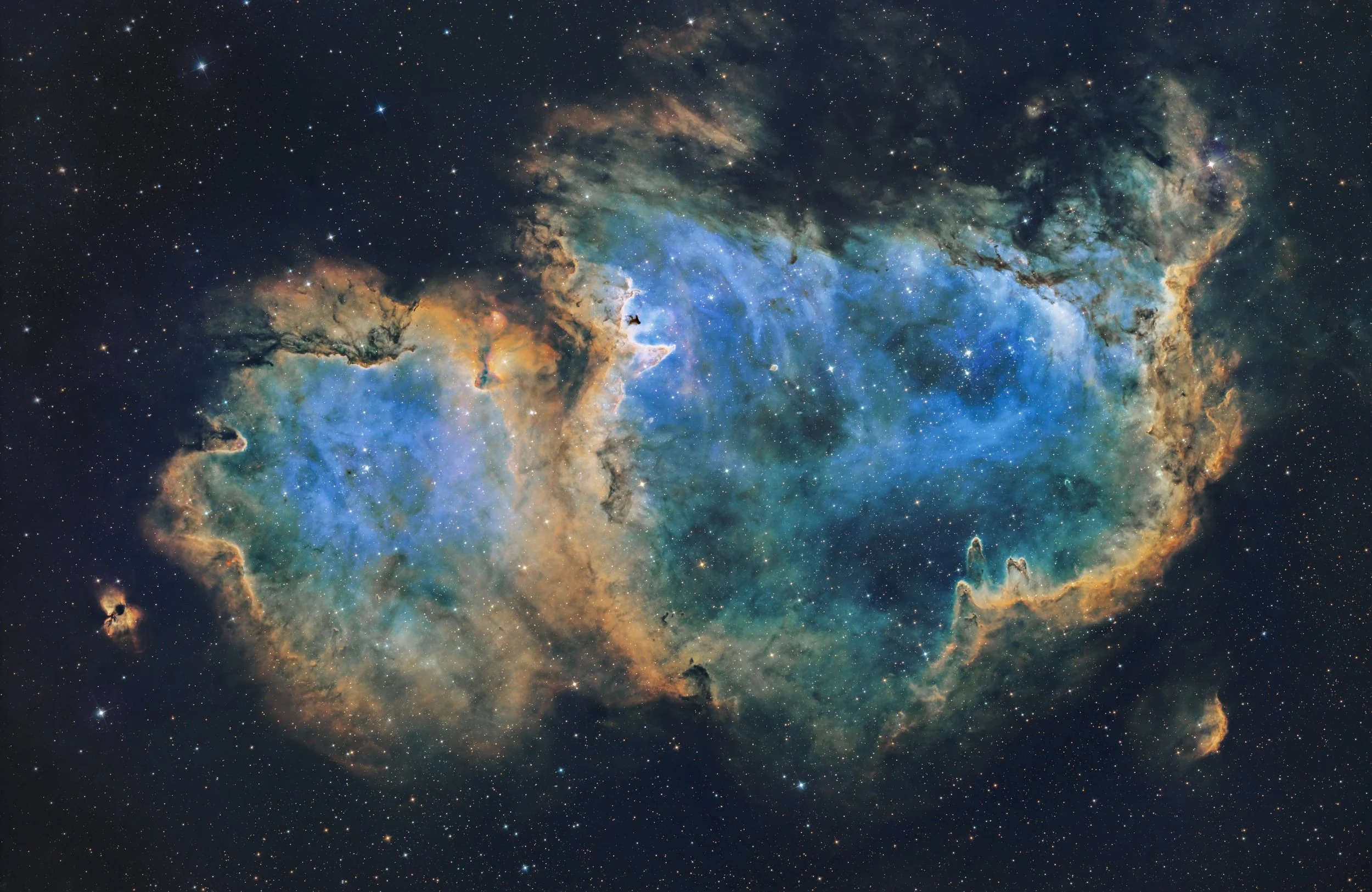
The Soul Nebula sits about 6,500 light-years away in the constellation Cassiopeia, paired with its more famous neighbor, the Heart Nebula.
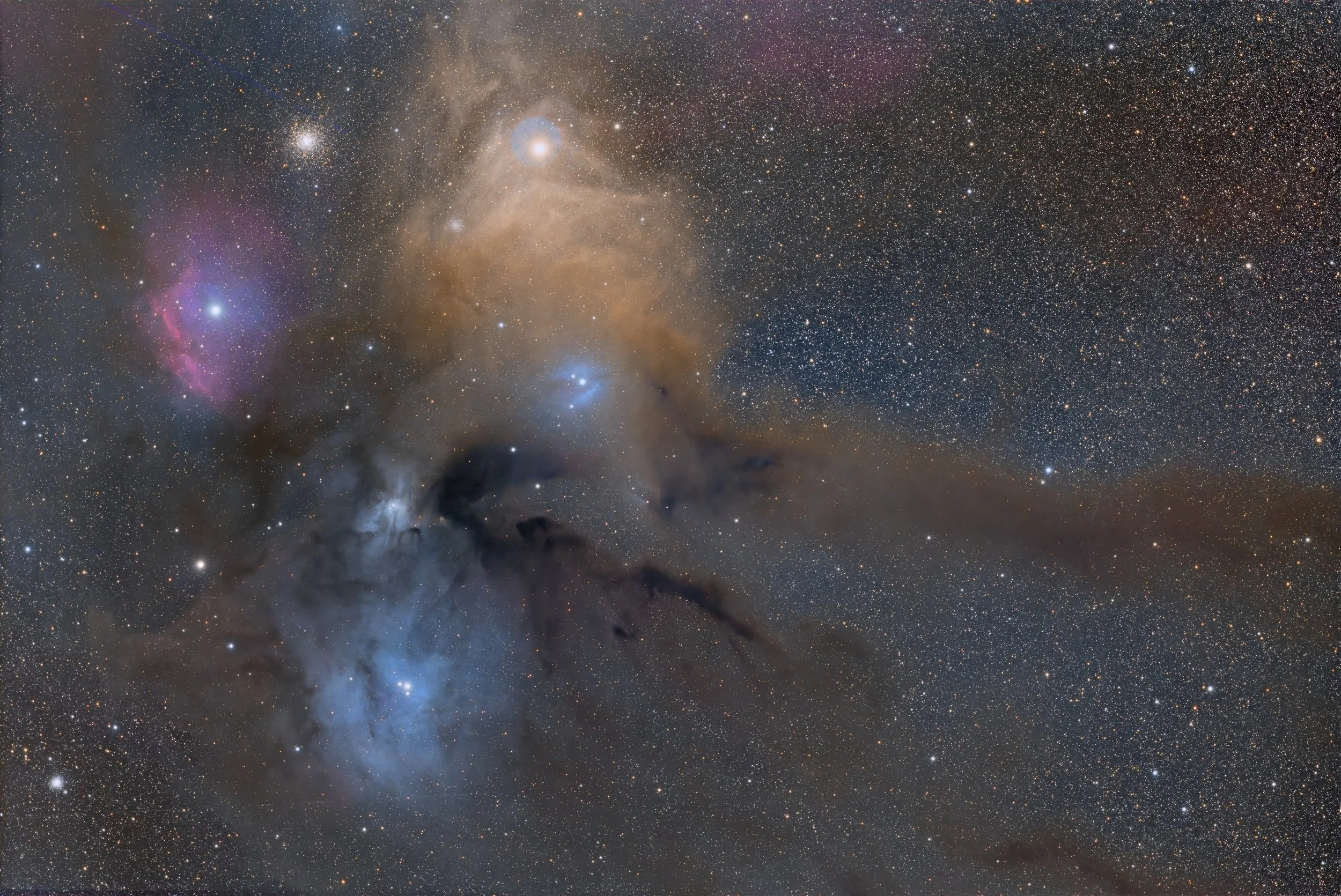
A vivid portrait of the Rho Ophiuchi Cloud Complex, blending reflection, emission, and dark nebulae captured in 2.5 hours from the Starry Night Ranch in Florida.
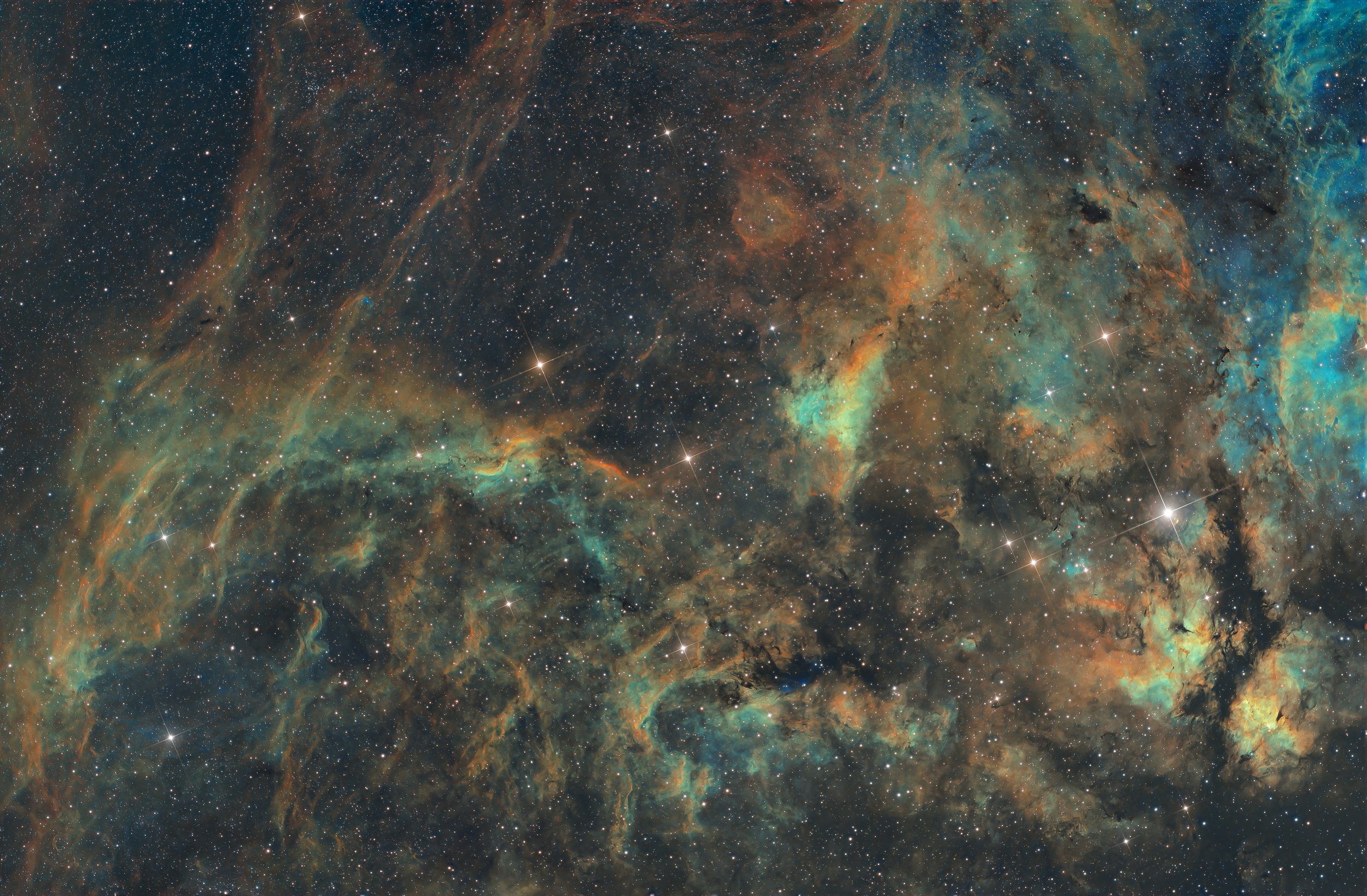
A swirling sea of gas and dust surrounds the bright star Sadr in this deep narrowband image captured from Deep Gap, NC.
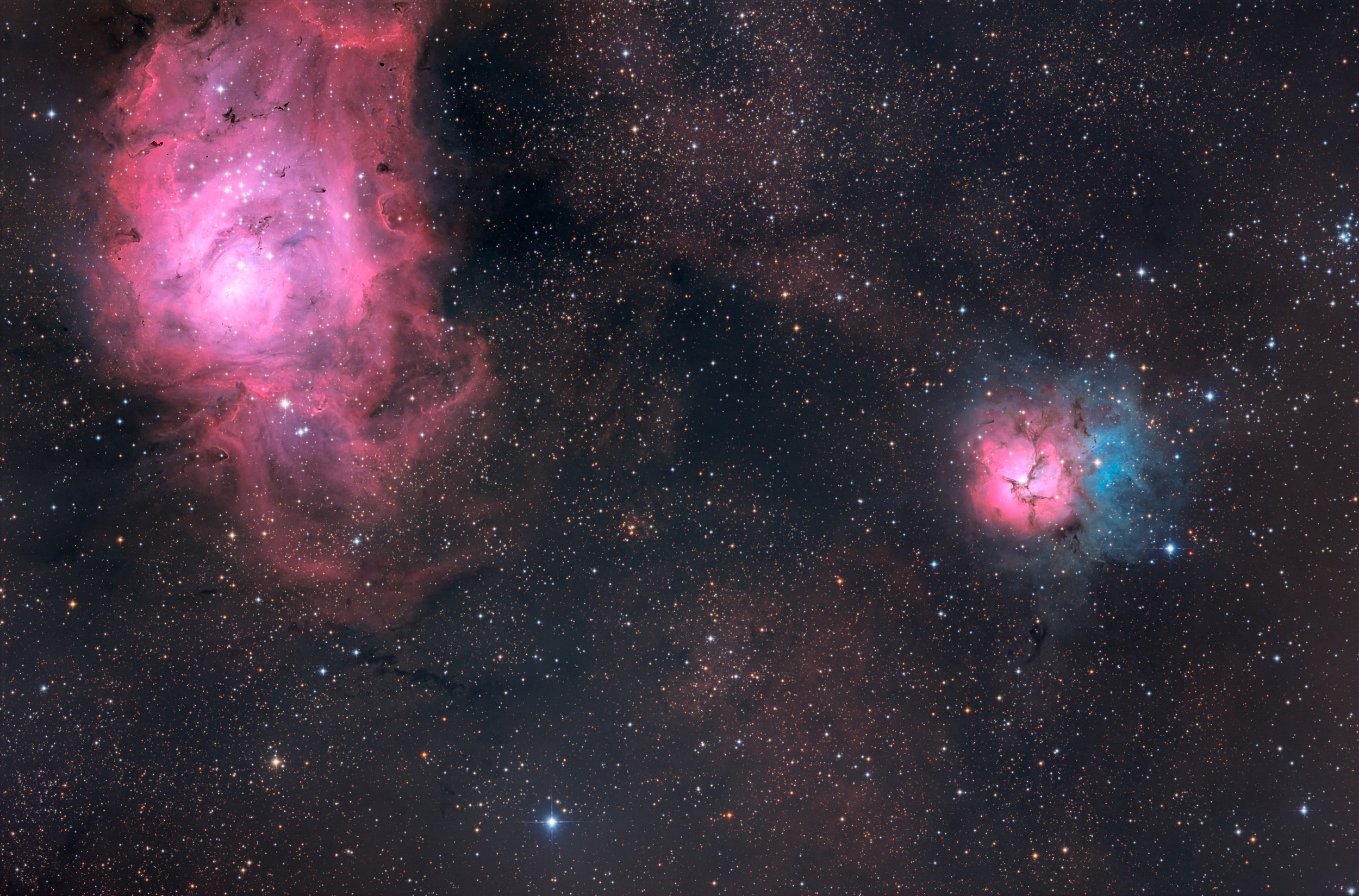
Captured with the CarbonStar f/4 Newt and ZWO 2600MM Duo under dark Florida skies. Framing wasn’t ideal, but the detail came through beautifully.
👉 View the image and full breakdown →

Under the dark skies of the Florida Everglades, I captured the stunning reflection nebula M78 using a dual-scope setup.

The Dolphin Nebula captured in stunning detail. This first image of 2025 a star-forming region in the constellation Cetus.

IC 410 is a stunning emission nebula located about 12,000 light-years away in the constellation Auriga.
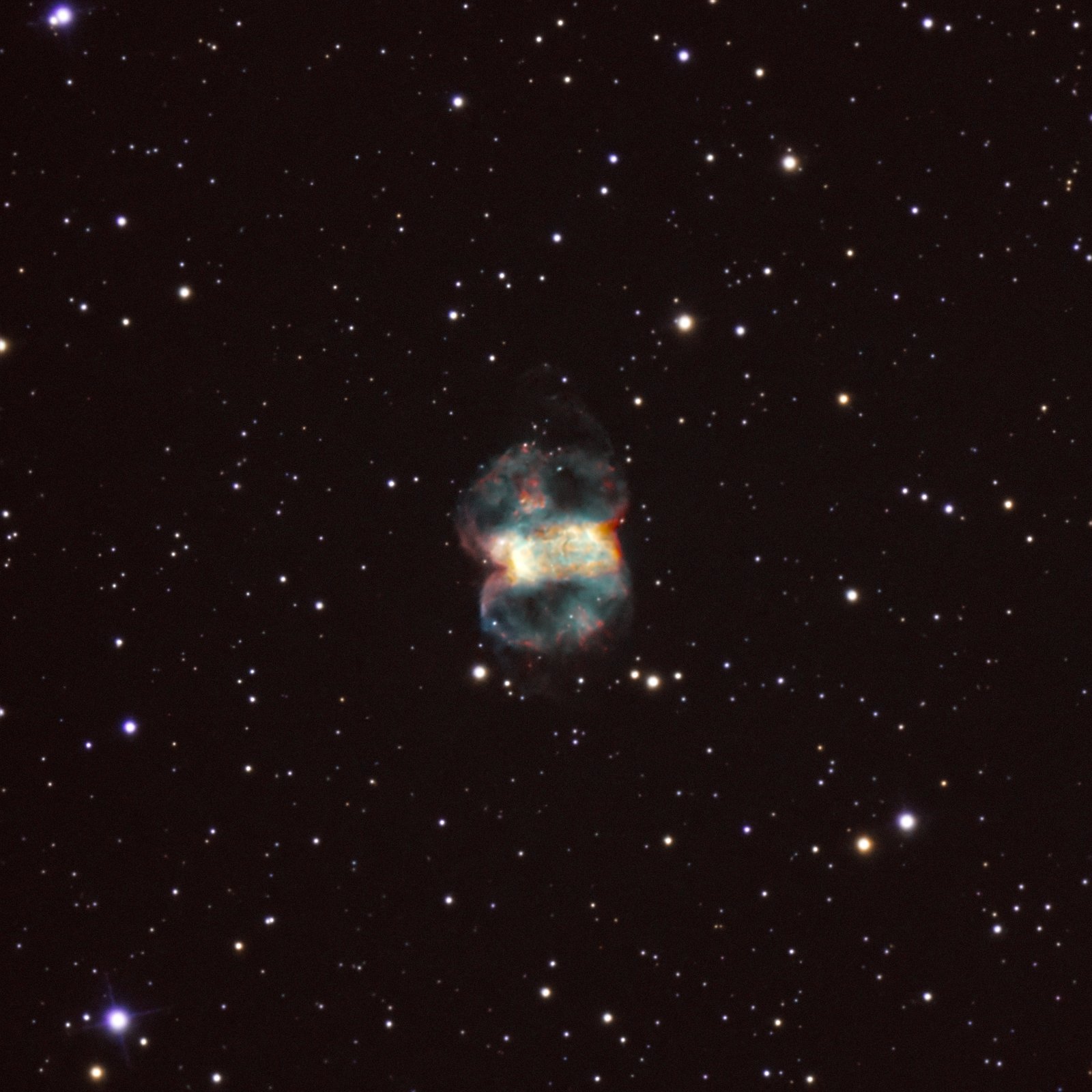
This is the Little Dumbbell Nebula (M76), captured using my new Carbon Star Ritchey-Chrétien telescope, paired with the QHY533 mono camera and mounted on my trusty AM5.
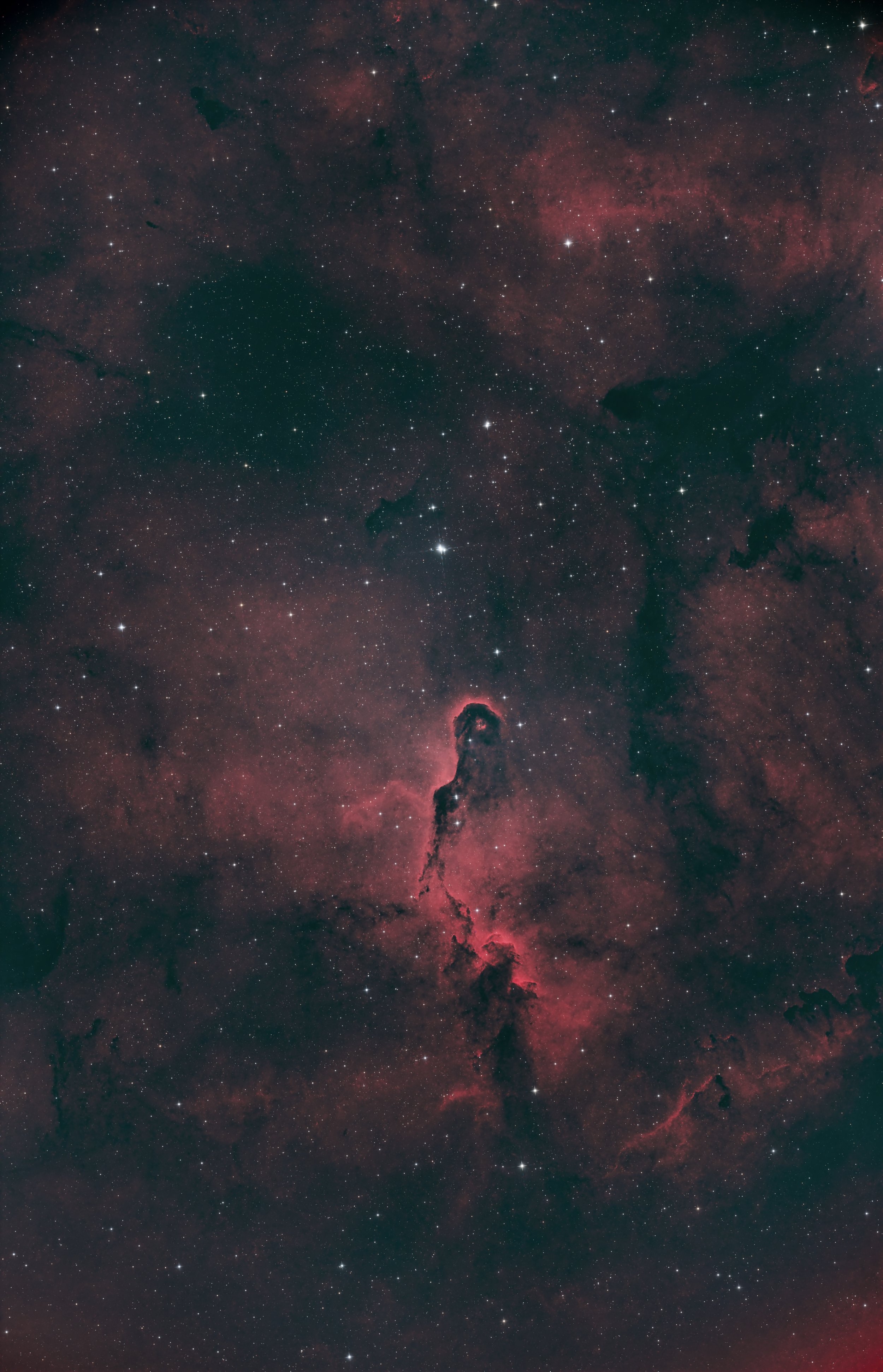

Captured in narrowband hydrogen-alpha light, the Rosette Nebula reveals its intricate tendrils of gas and dust, illuminated by the intense radiation of young, massive stars nestled within its heart.

From the iconic silhouette of the equestrian motif to the nuanced interplay of light and shadow within its celestial surroundings, this image stands as a testament to the boundless wonders awaiting discovery in the unfathomable depths of space.
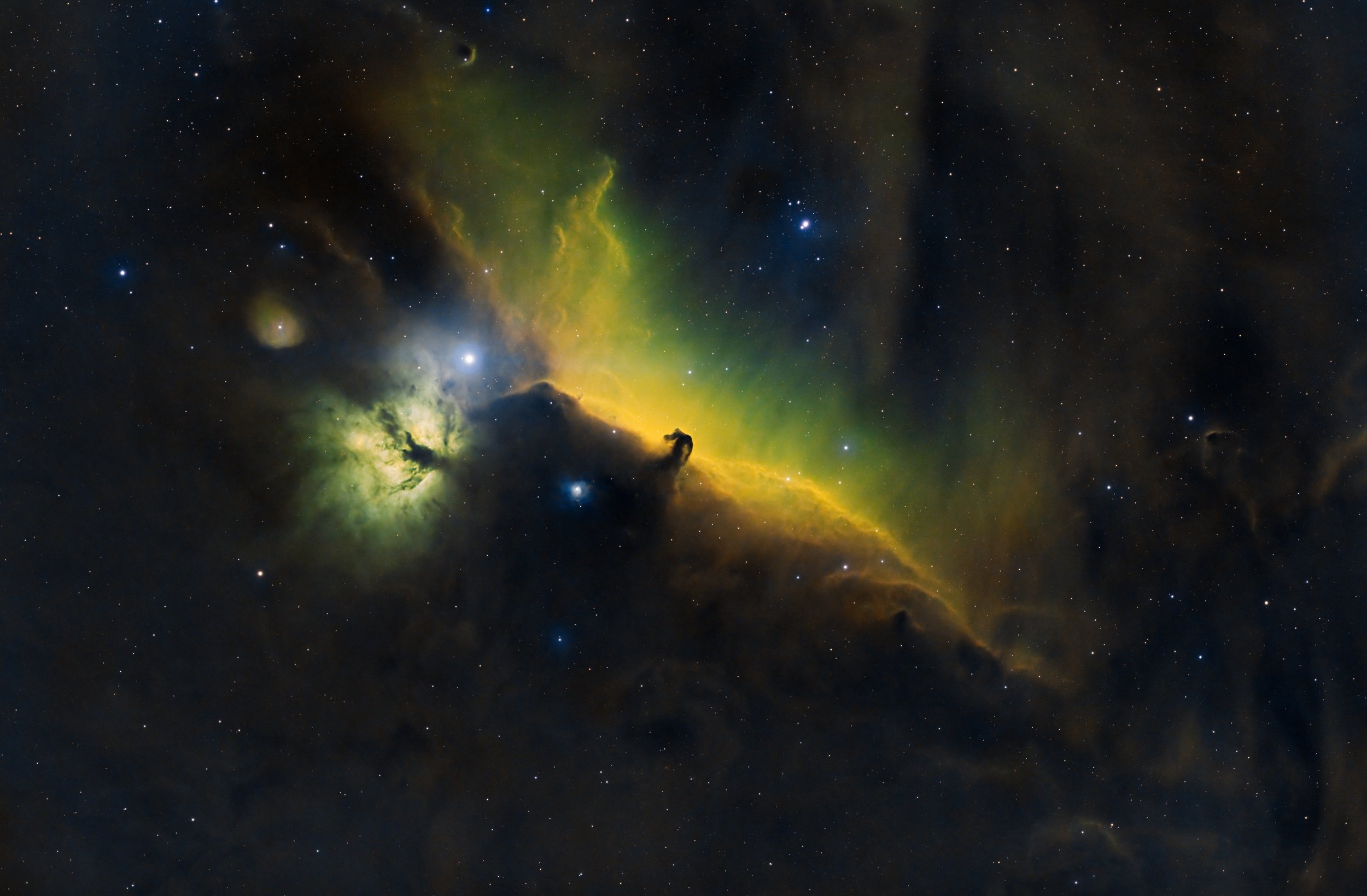
Horsehead Nebula, also known as Barnard 33, is a dark nebula located in the constellation Orion. It sits within the emission nebula IC 434, which is illuminated by the nearby star Sigma Orionis. The distinctive shape of the Horsehead Nebula resembles that of a horse's head, hence its name.
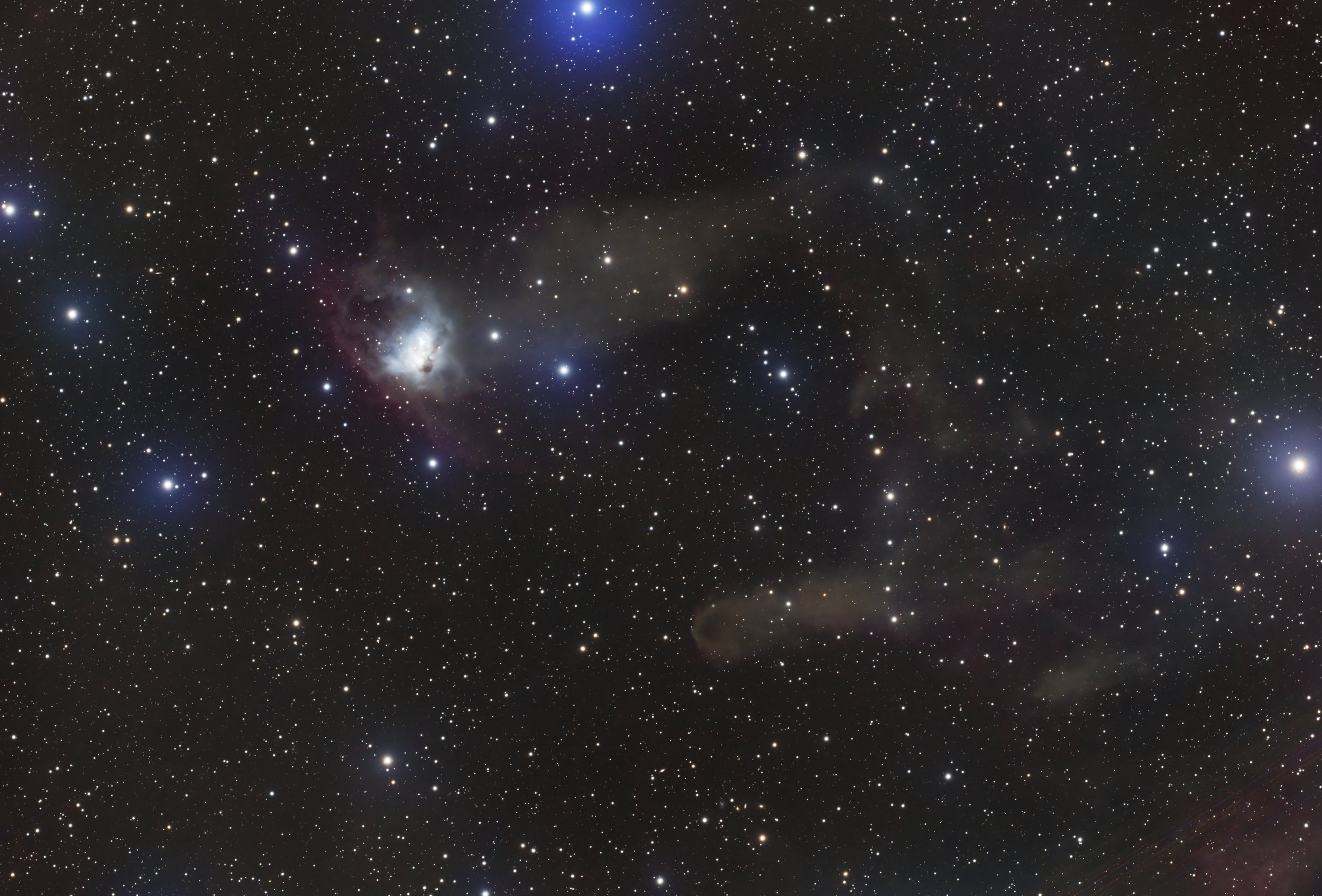
NGC 1788, a day to night time-lapse a few other images from my week of solo camping in central Florida.
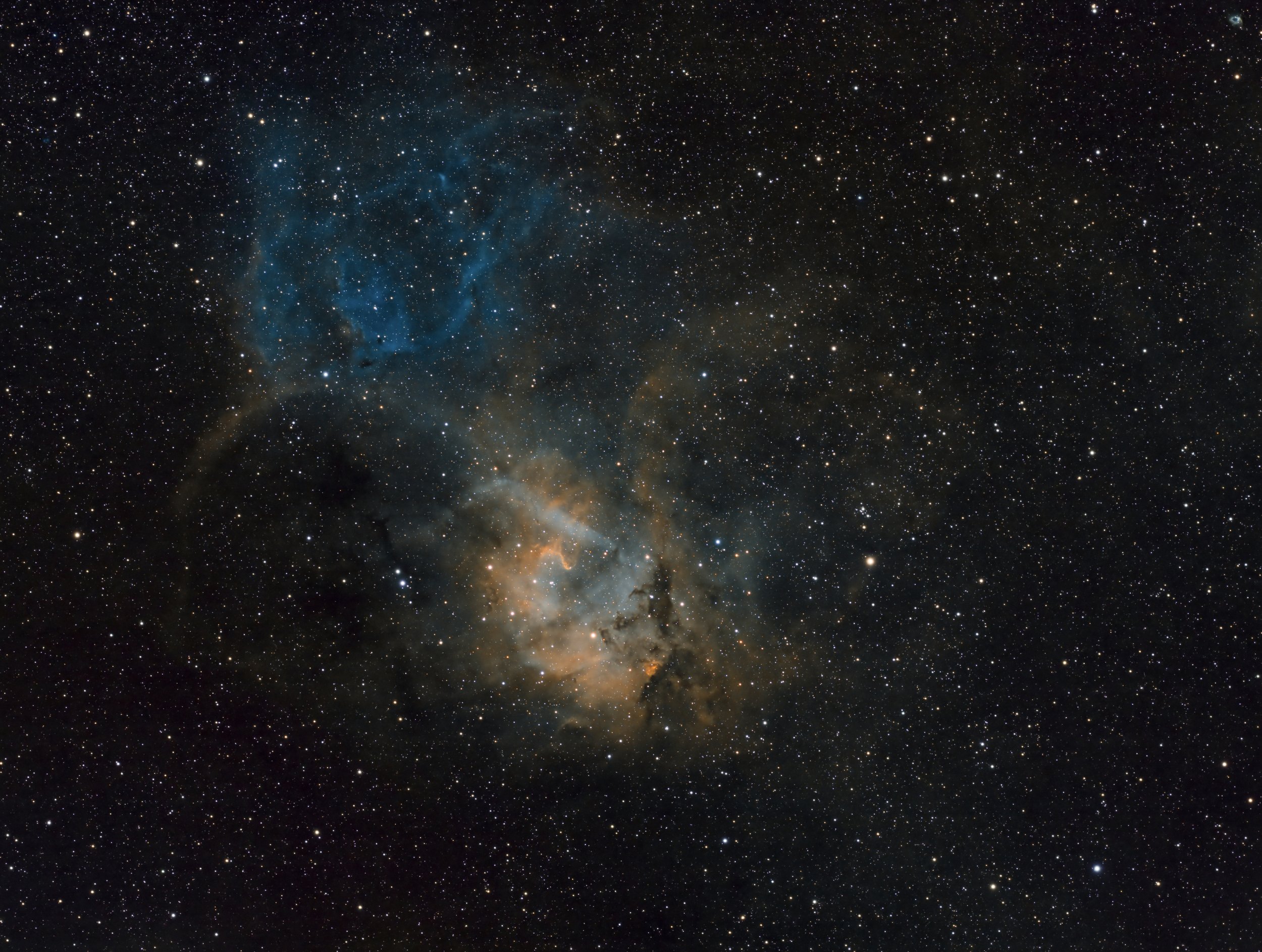
The Lion Nebula, also known as Sharpless 132 (Sh2-132), is a bright emission nebula located in the constellation Cepheus. It's a region of active star formation, characterized by the presence of young, hot stars that emit intense ultraviolet radiation. This radiation ionizes the surrounding hydrogen gas, causing it to glow in the characteristic red color of hydrogen-alpha emission.
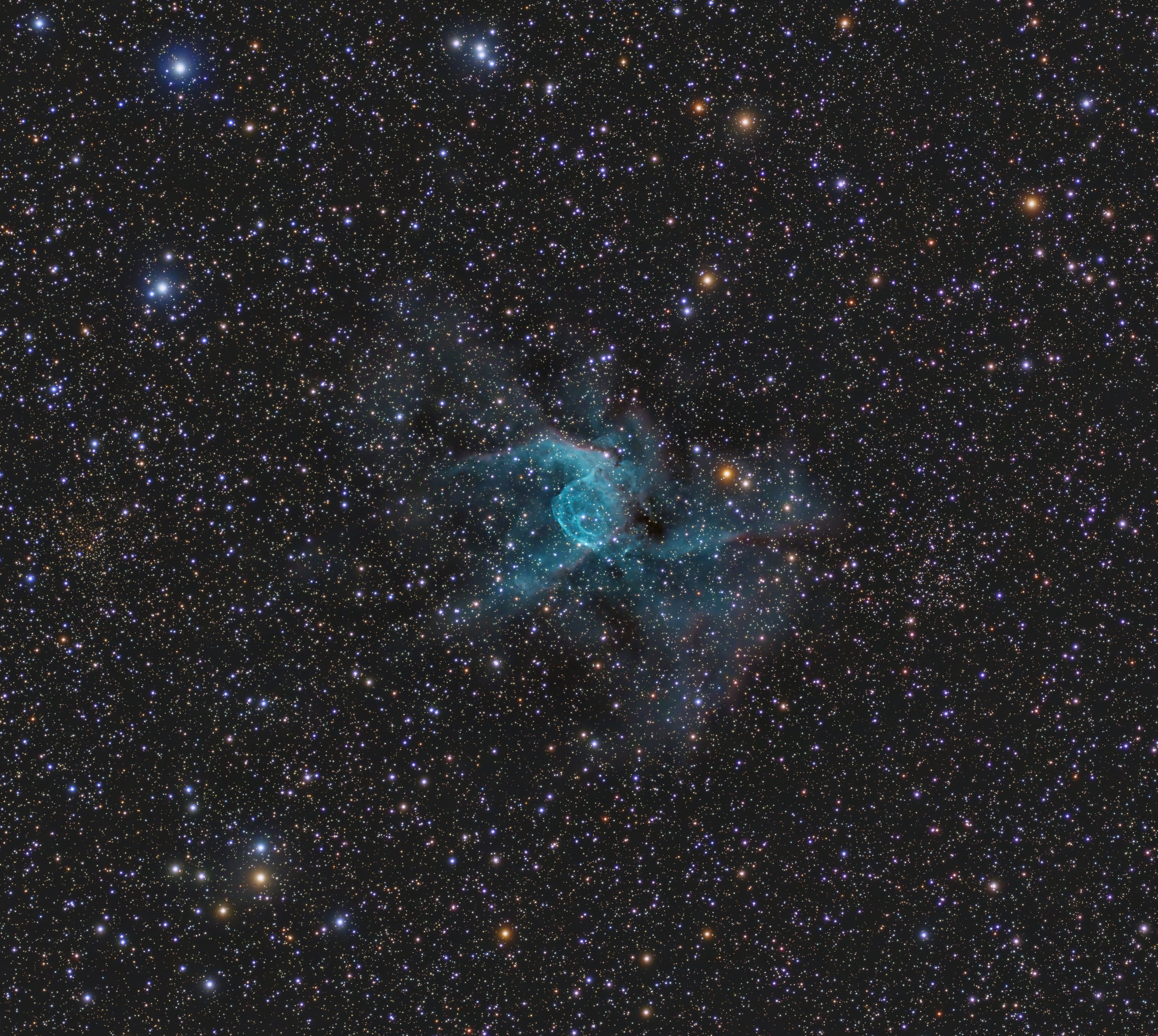
NGC 2359, also known as Thor's Helmet Nebula, is a challenging object to capture in a detailed image, requiring multiple nights of data collection.
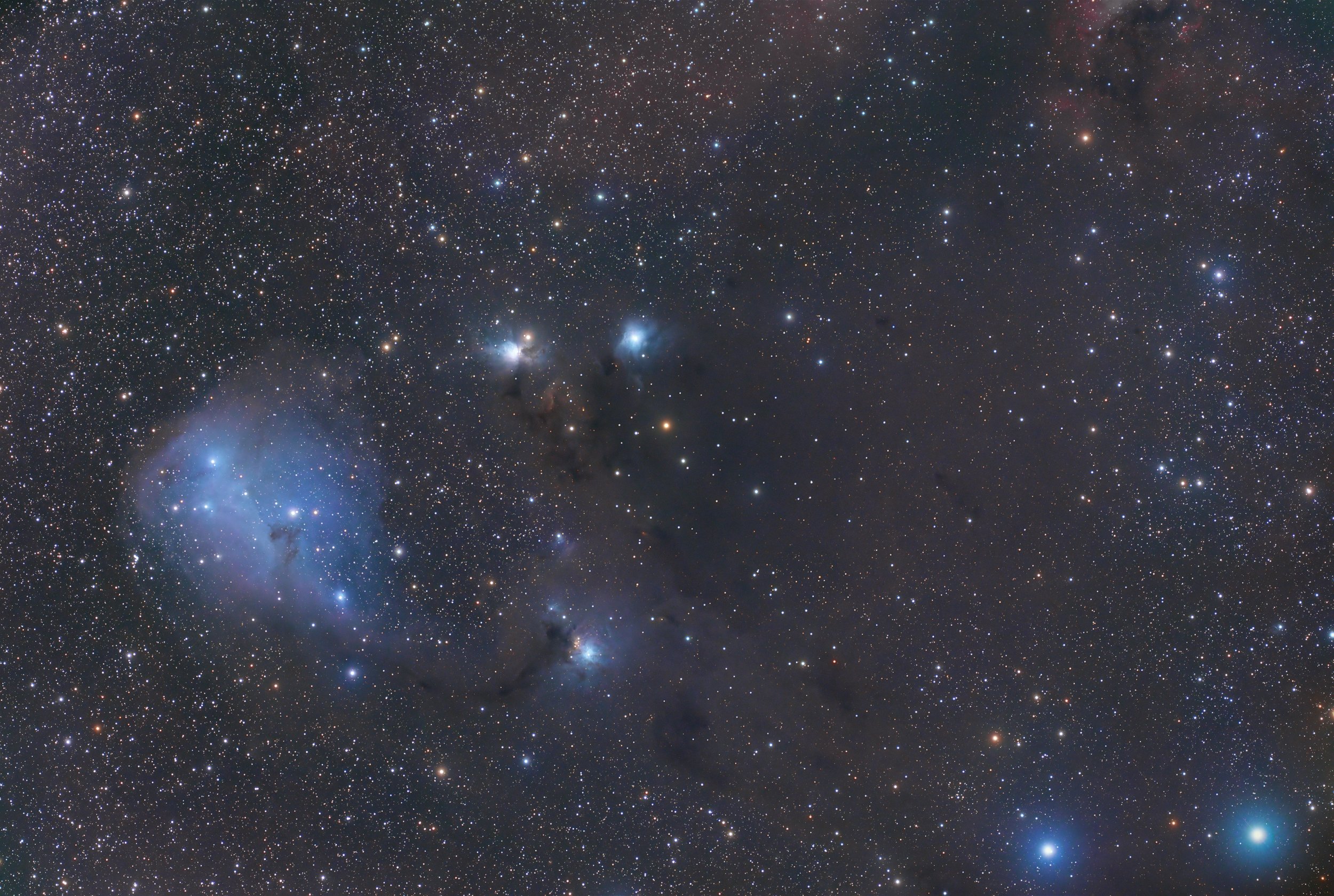
IC 447 is a reflection nebula in Cassiopeia, illuminating insight into massive star formation and its impact on surrounding space.
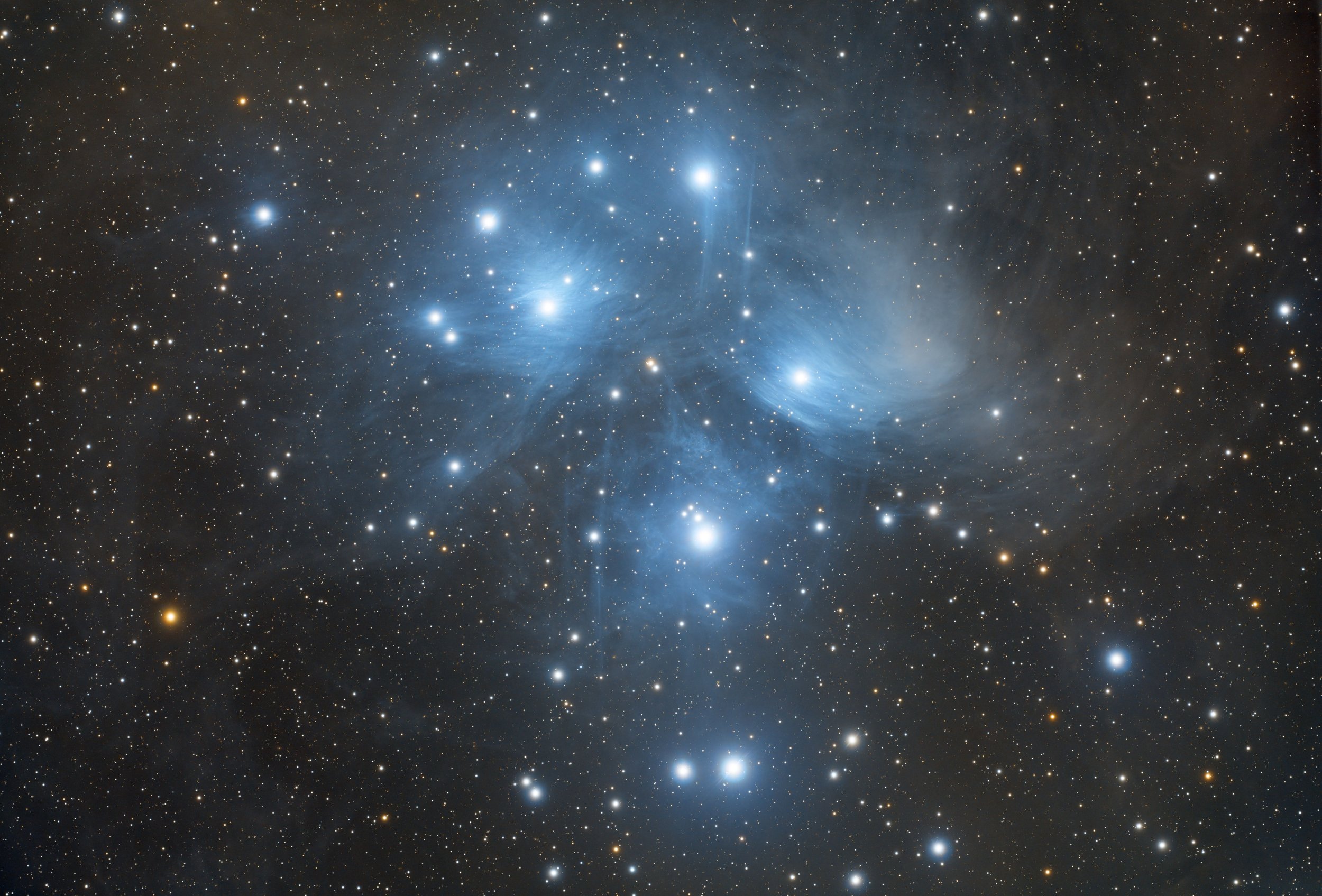
The Pleiades are a group of more than 800 stars located about 410 light-years from Earth in the constellation Taurus.
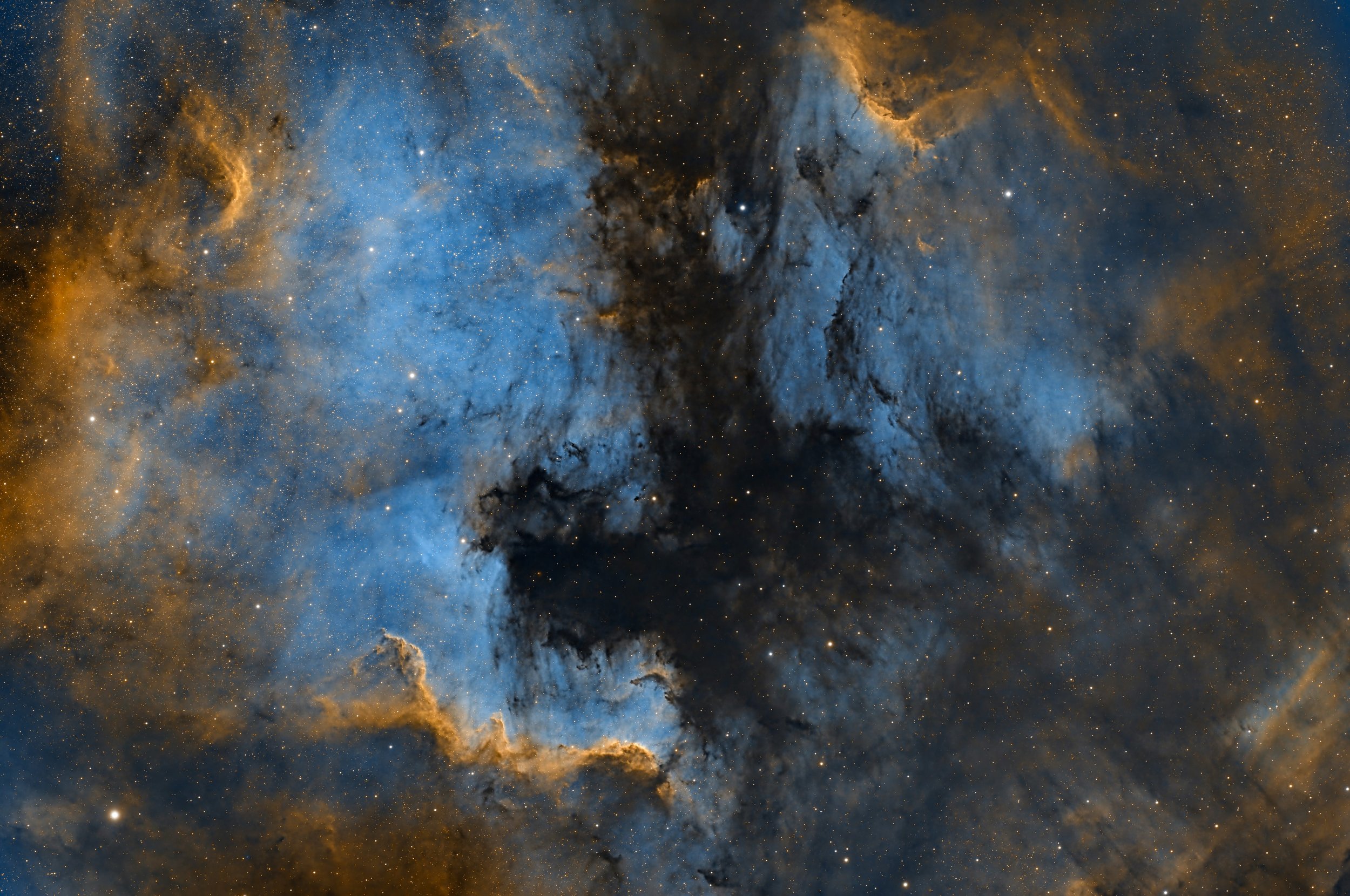
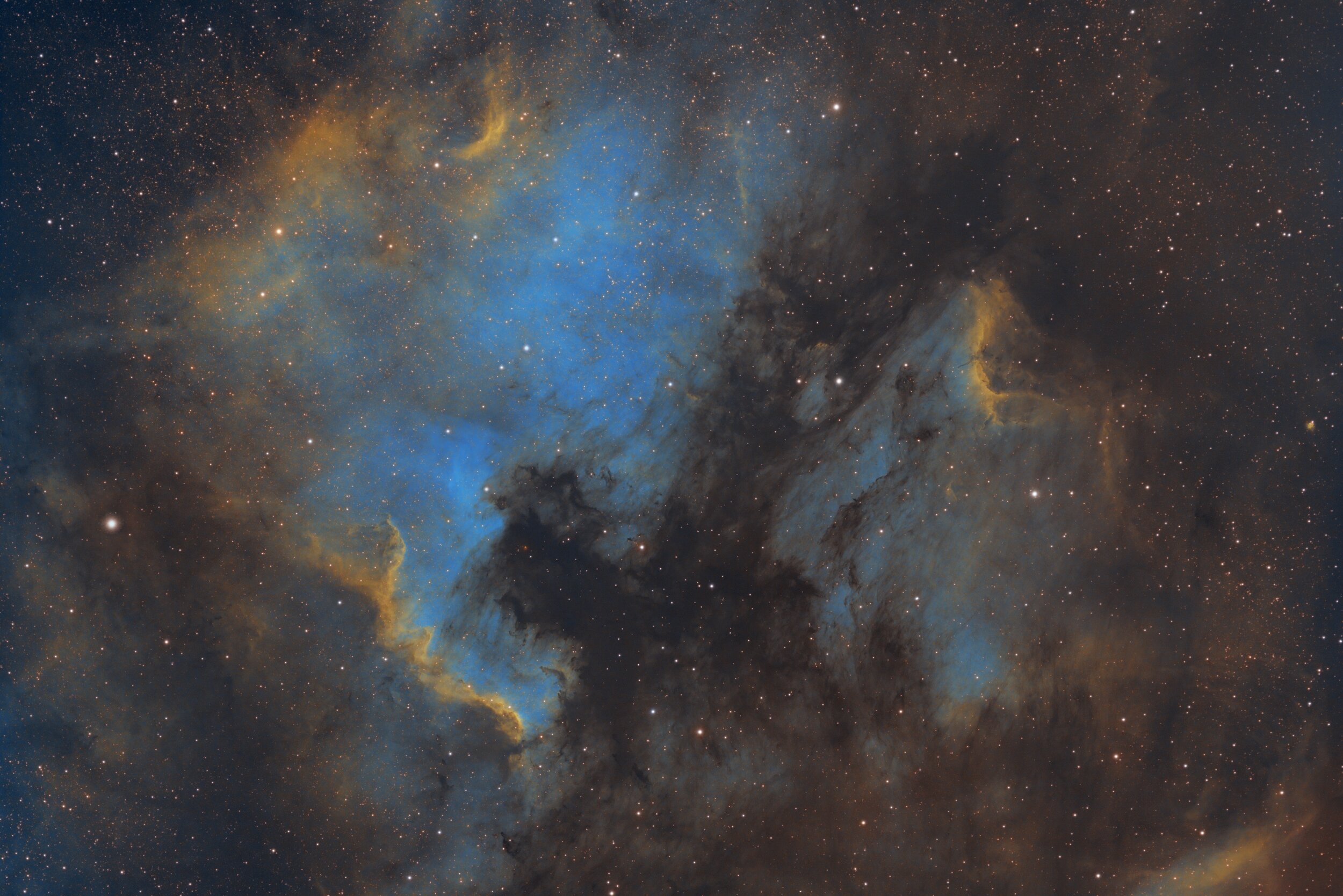
An emission nebula in the constellation Cygnus, close to Deneb in the shape of the that resembles that of the continent of North America.
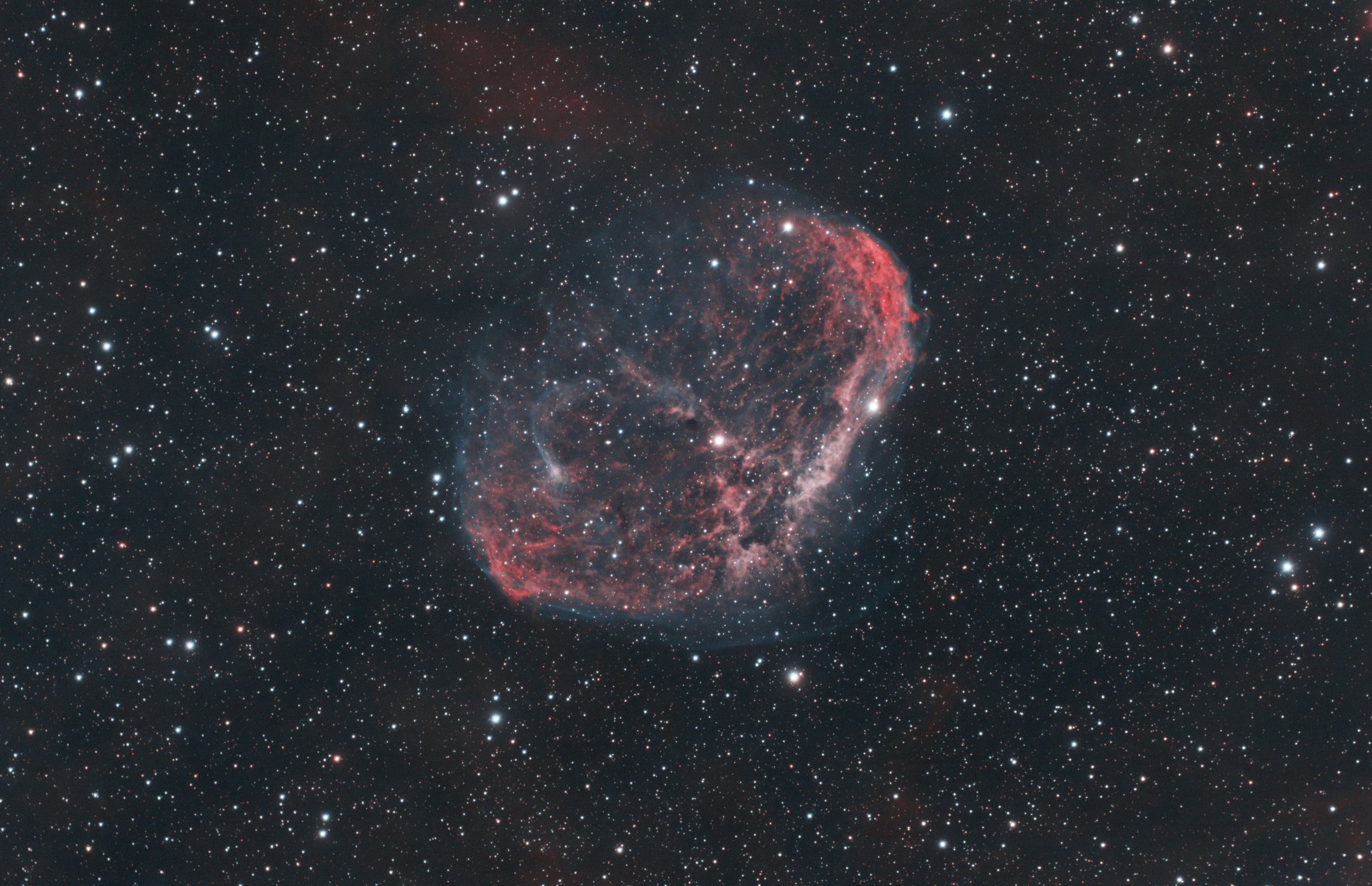


12 hours of broadband OSC integration on the Elephant’s Trunk Nebula (IC 1396) captured from Mars Hill, NC using the Askar FMA180 Pro and PixInsight.