
Star Clusters

Imaging M3 is more than just an exercise in precision — it’s a quiet confrontation with scale, time, and the staggering probability that life might be far more common than we once imagined.
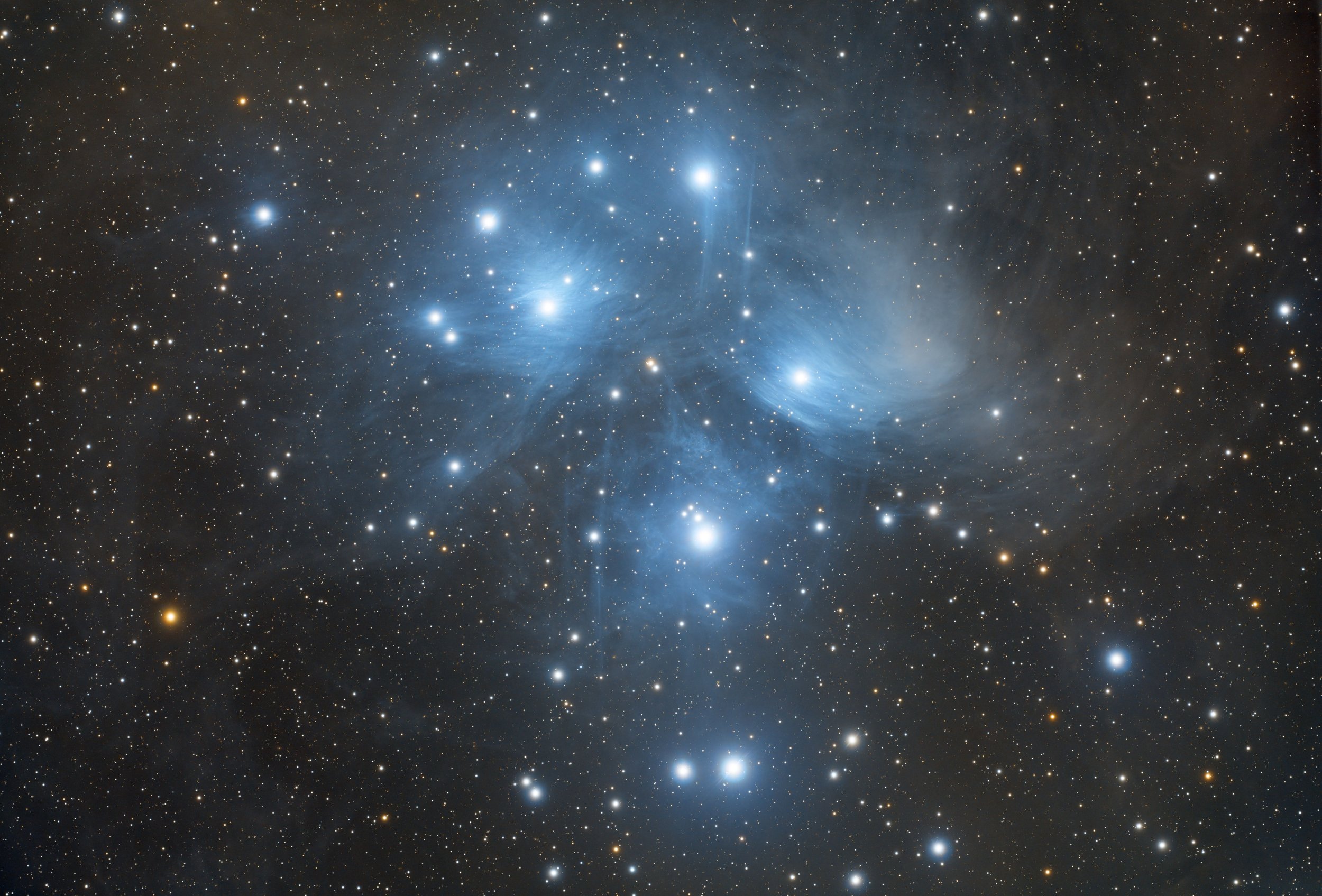
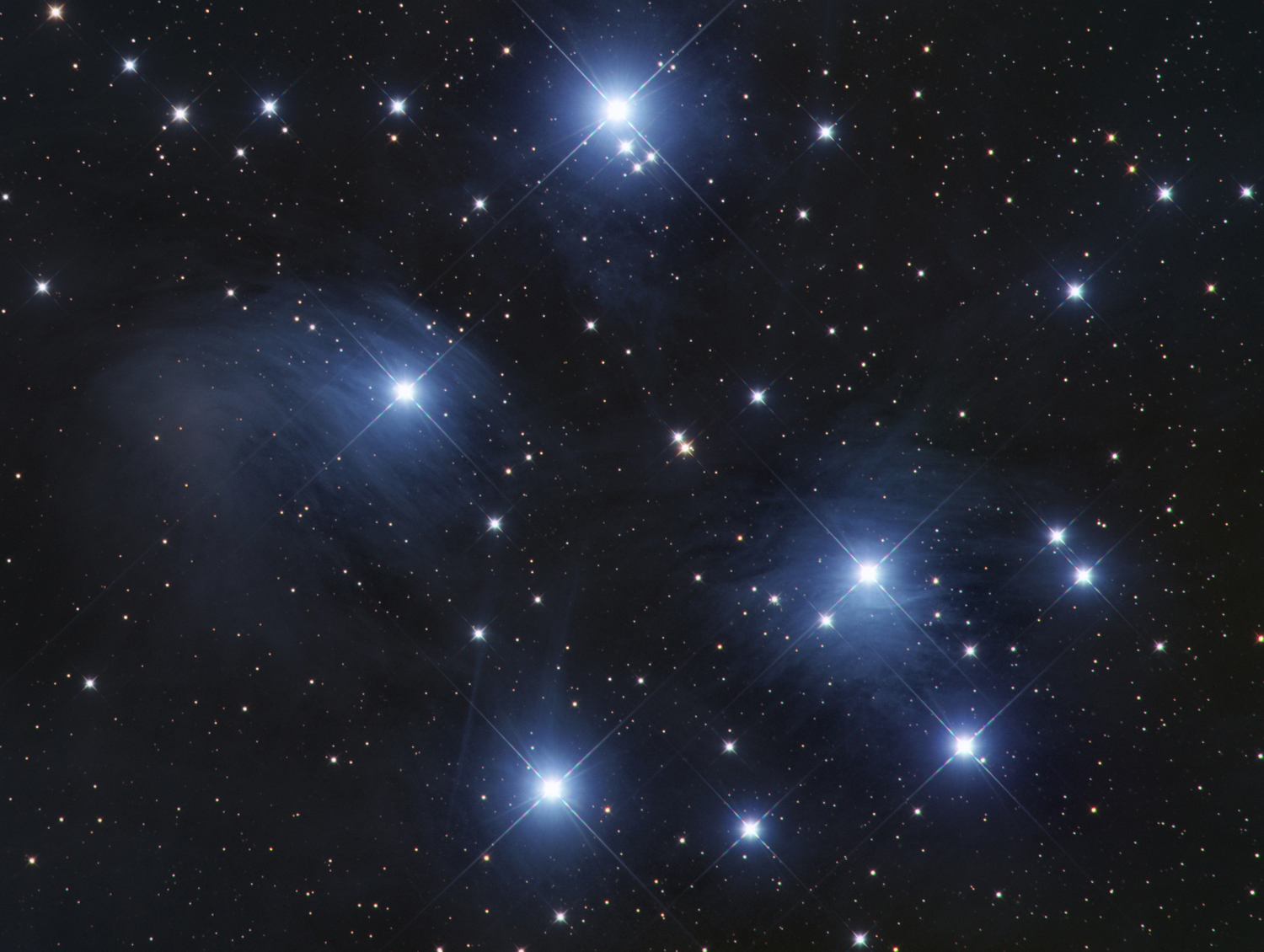
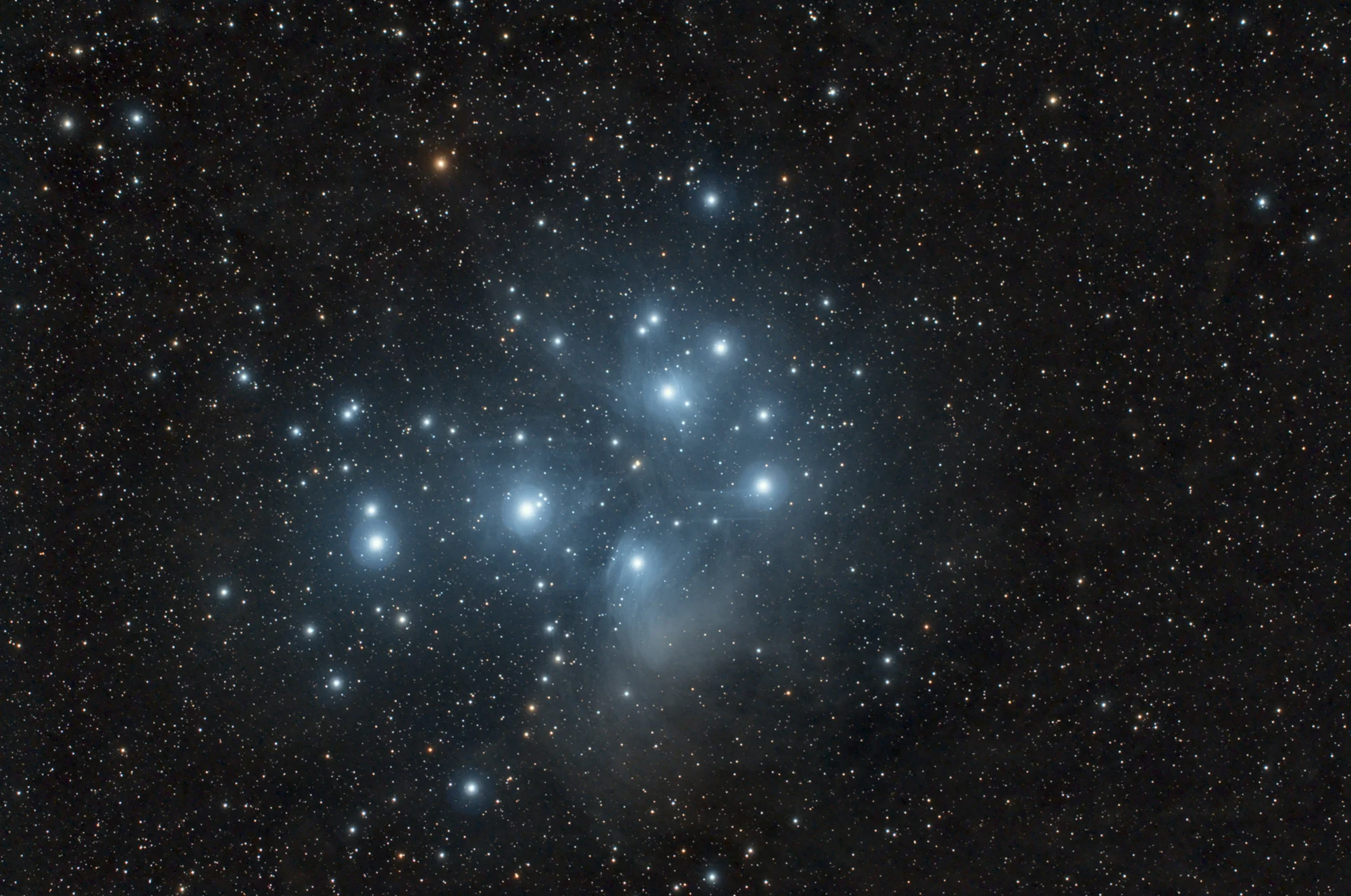
The Pleiades are a group of more than 800 stars located about 410 light-years from Earth in the constellation Taurus.


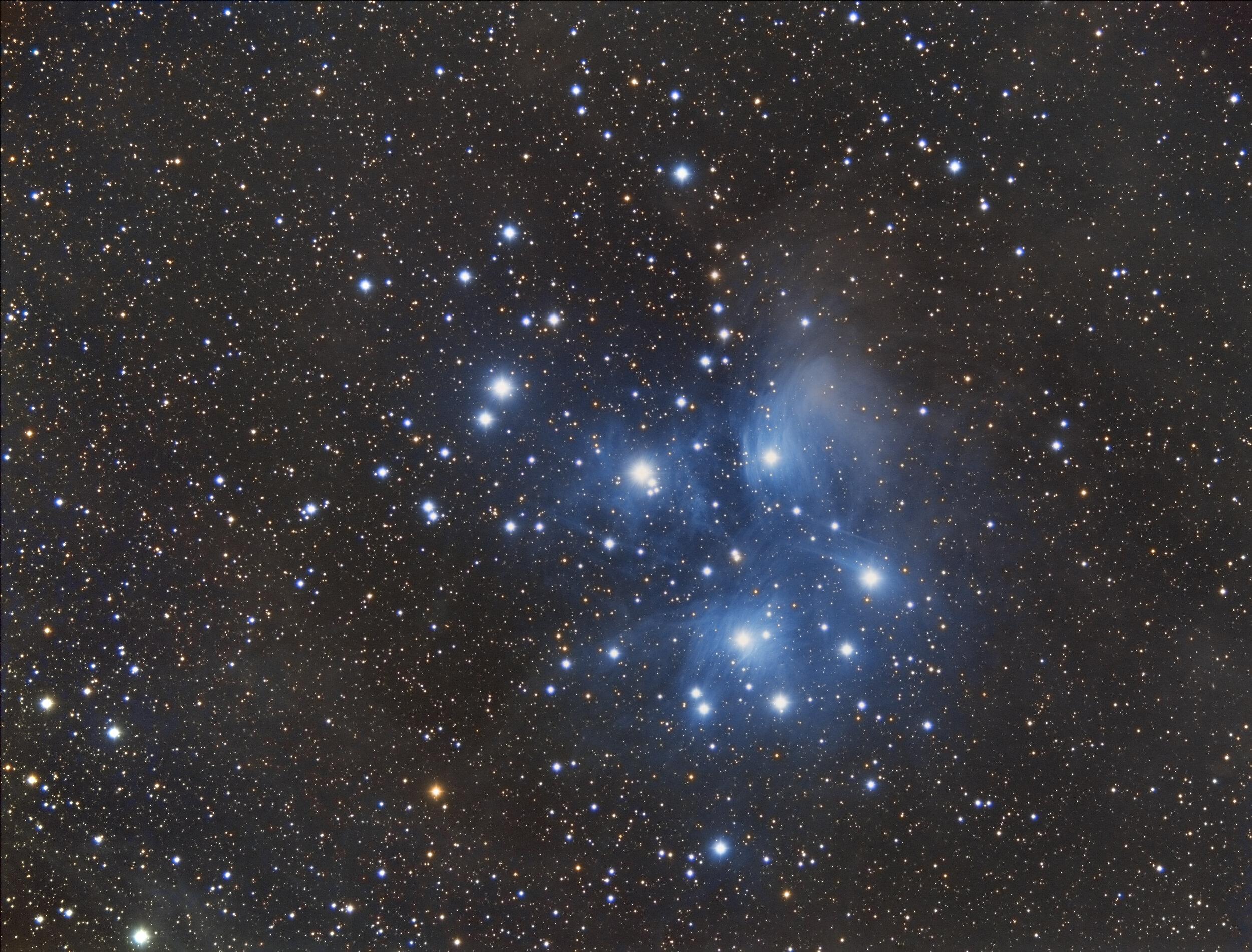
The Pleiades would "flee mighty Orion and plunge into the misty deep" as they set in the West, which they would begin to do just before dawn during October–November.
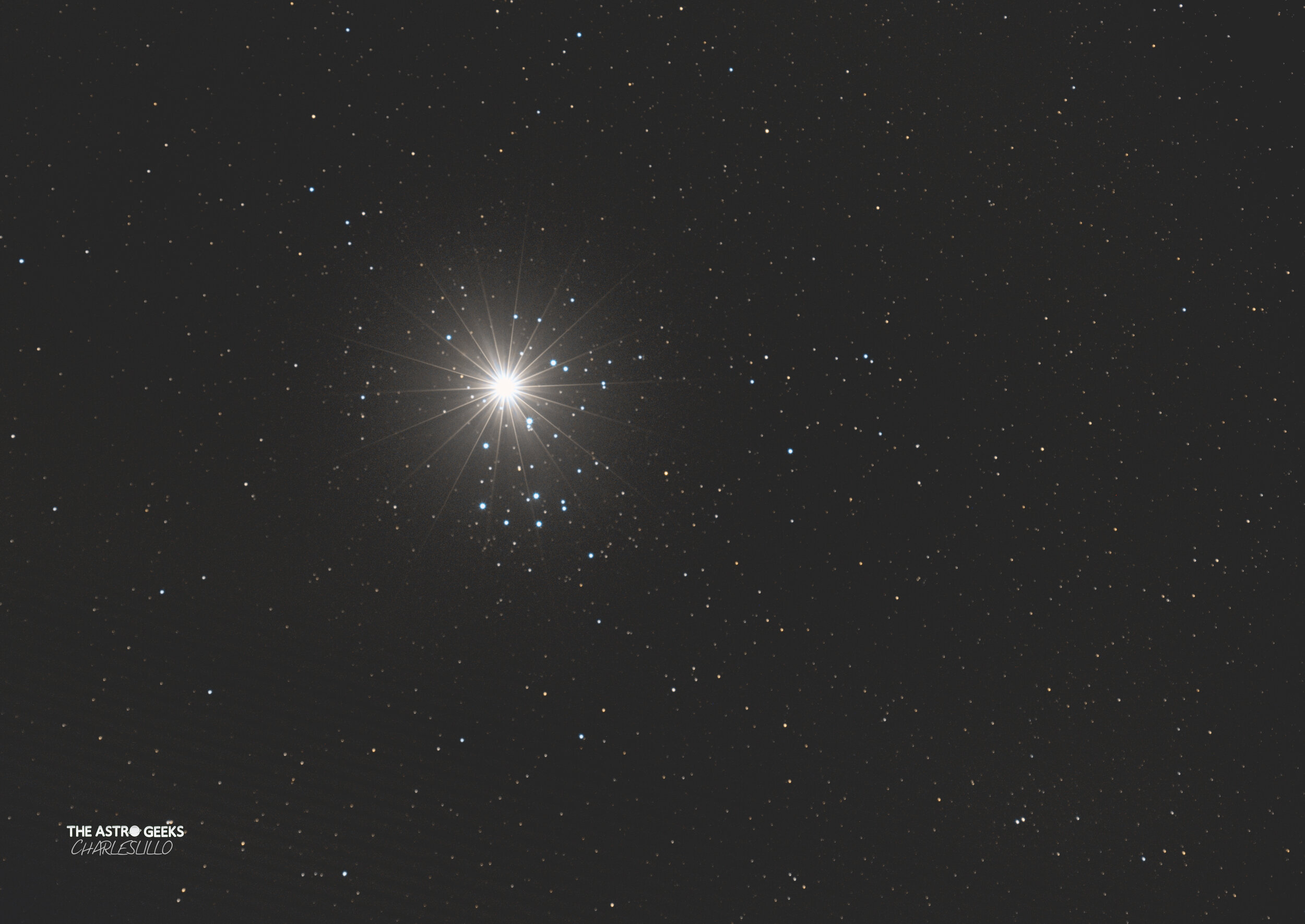
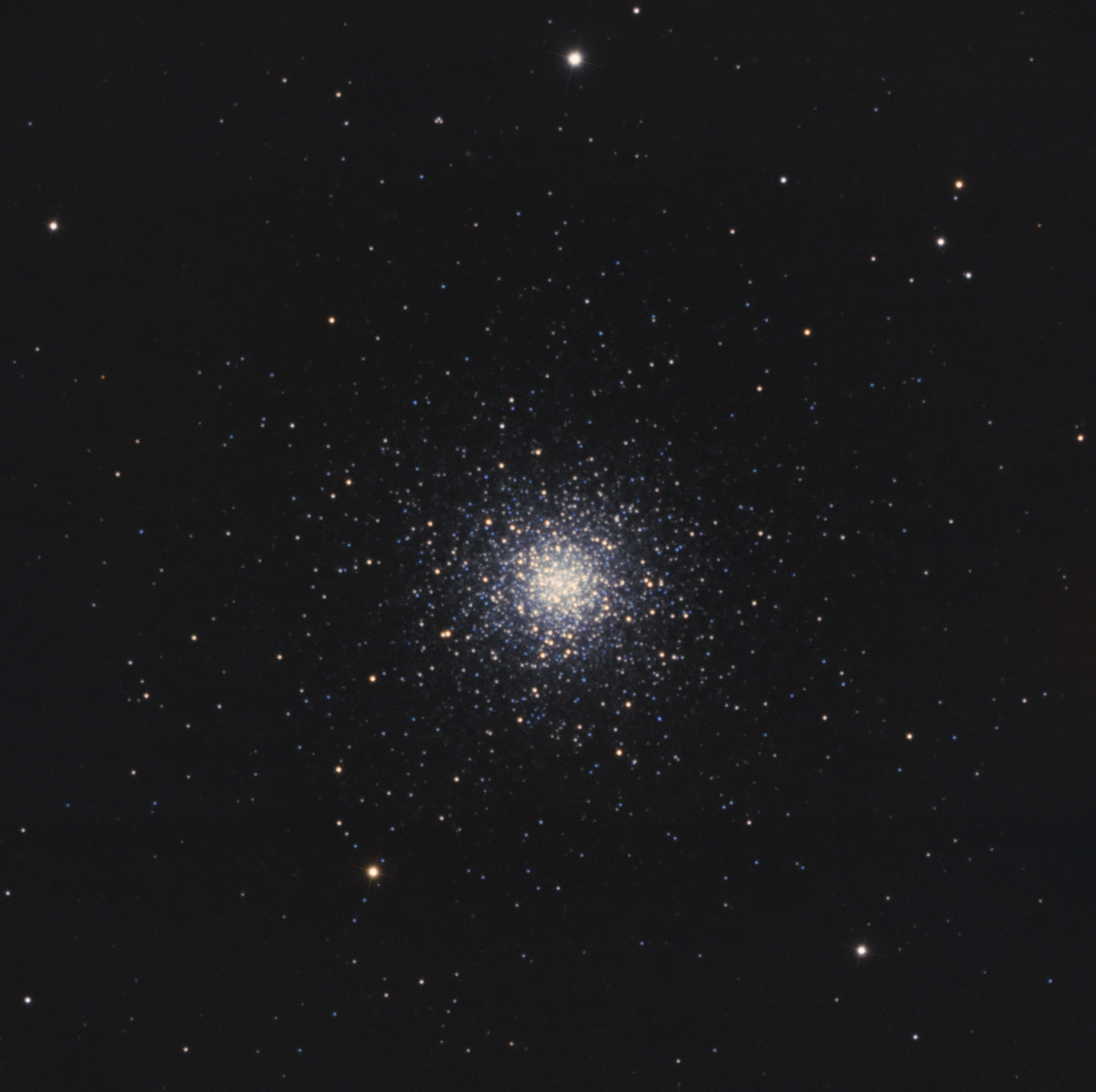
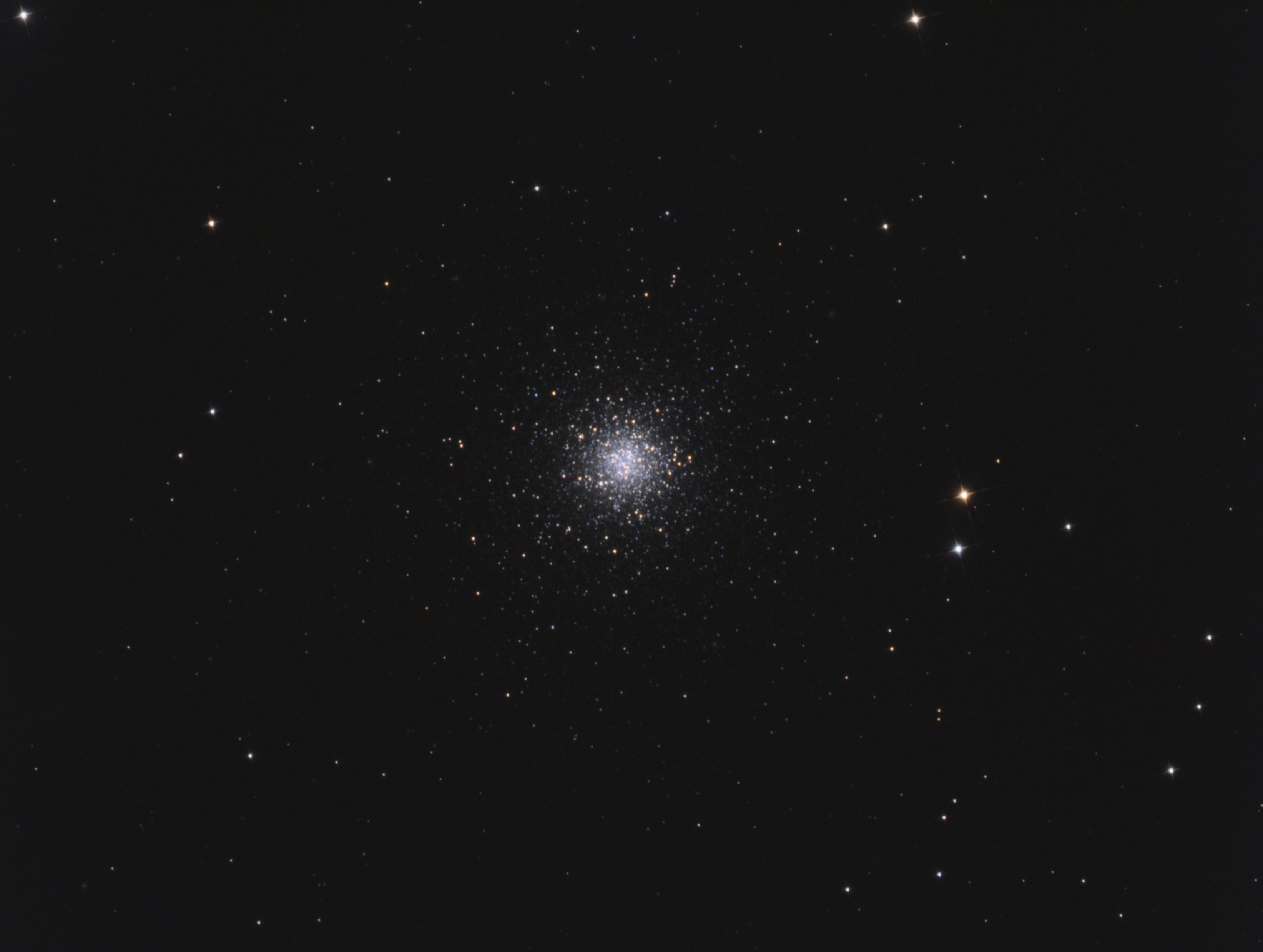
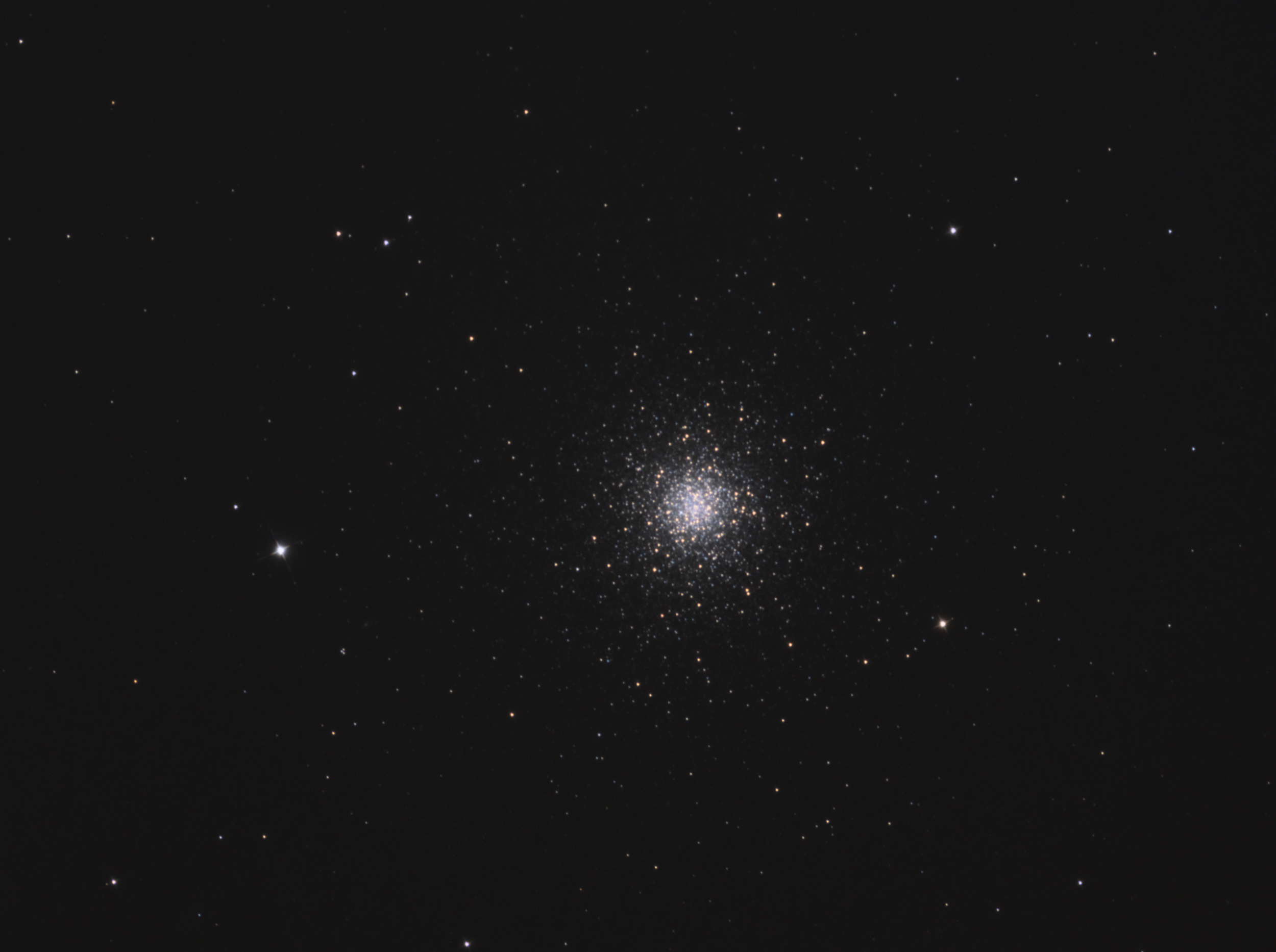
Messier 3 (M3) is a globular cluster located in the constellation Canes Venatici, the Hunting Dogs.


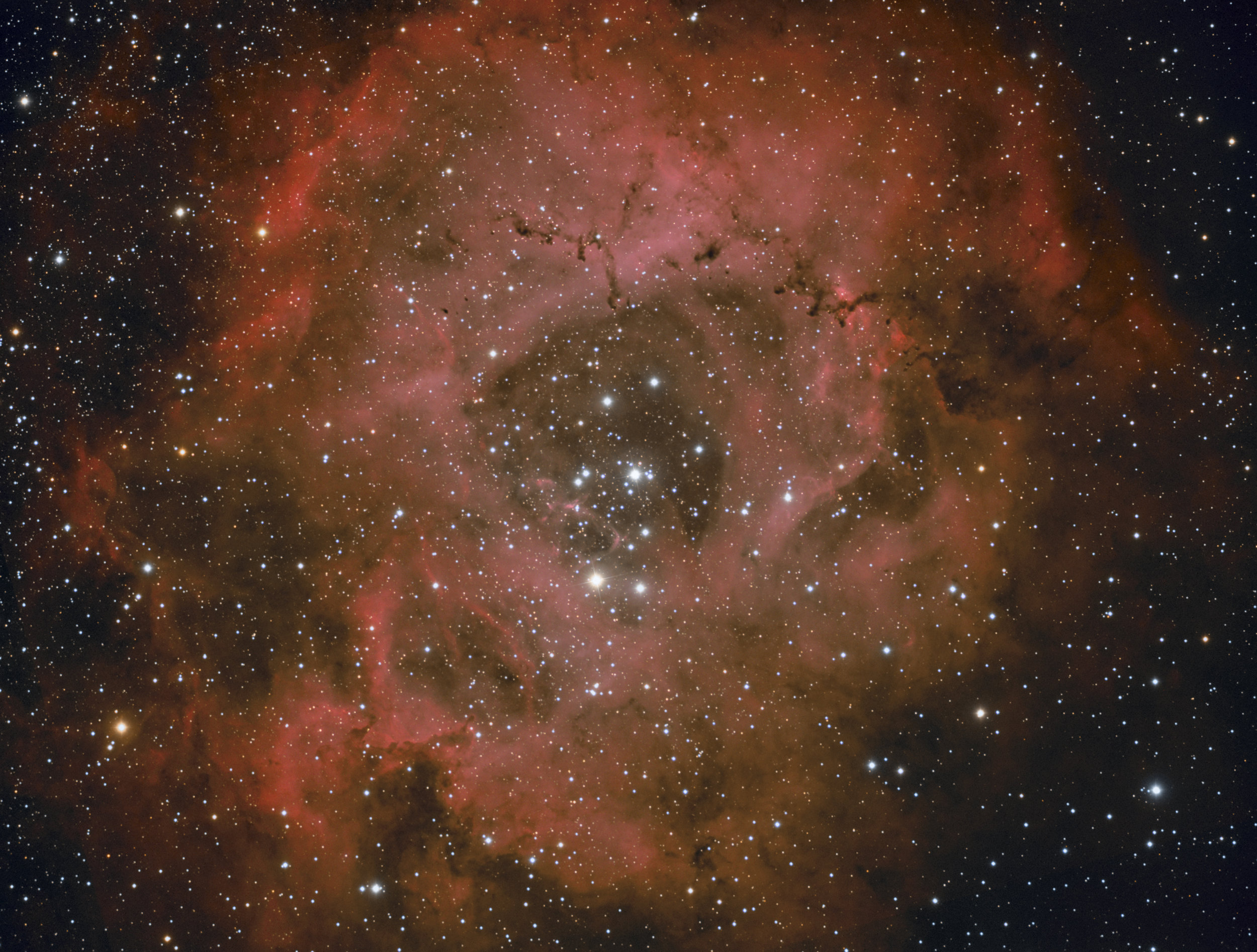
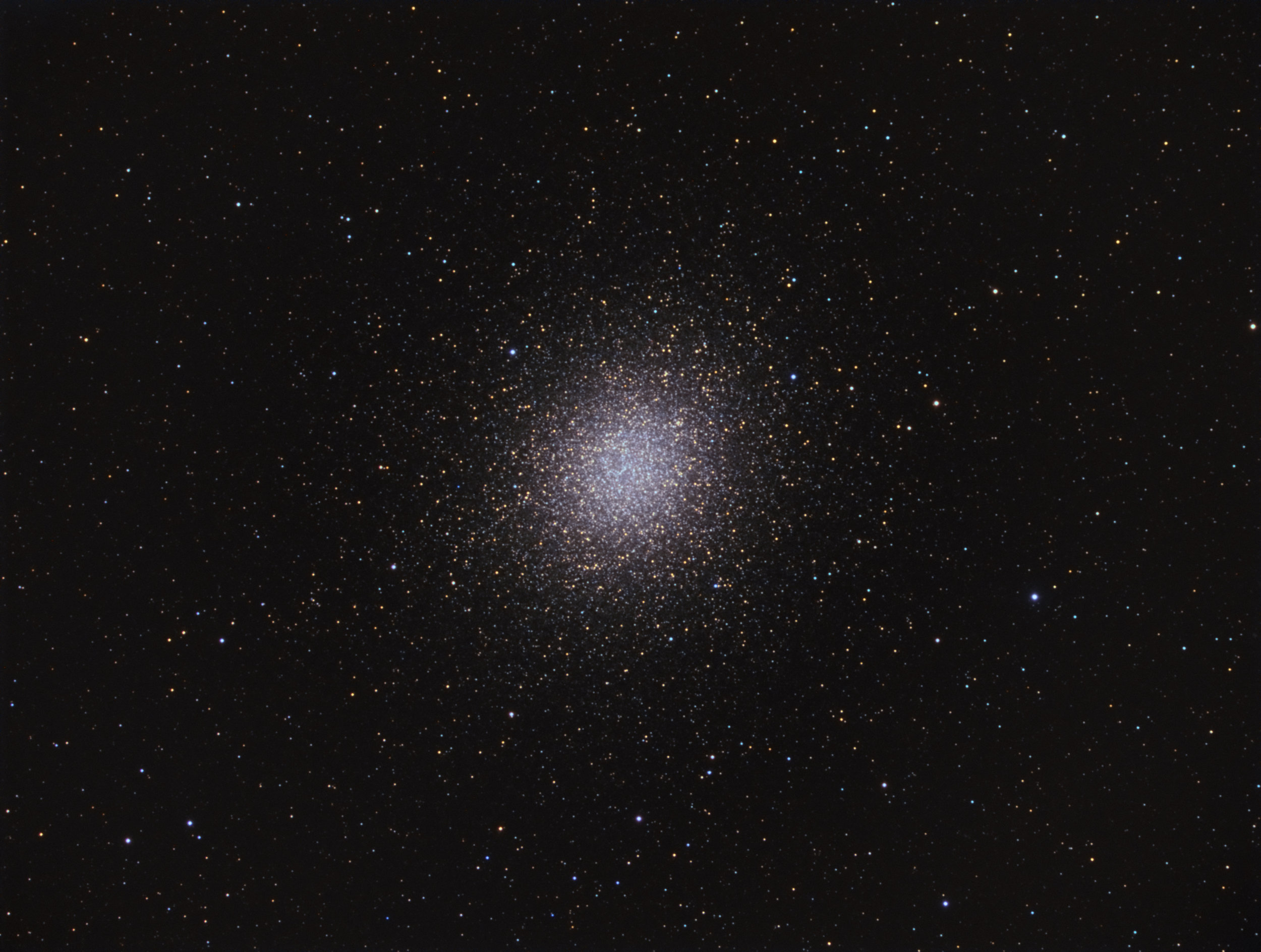
Located at a distance of 15,800 light-years (4,850 pc), it is the largest globular cluster in the Milky Way at a diameter of roughly 150 light-years.
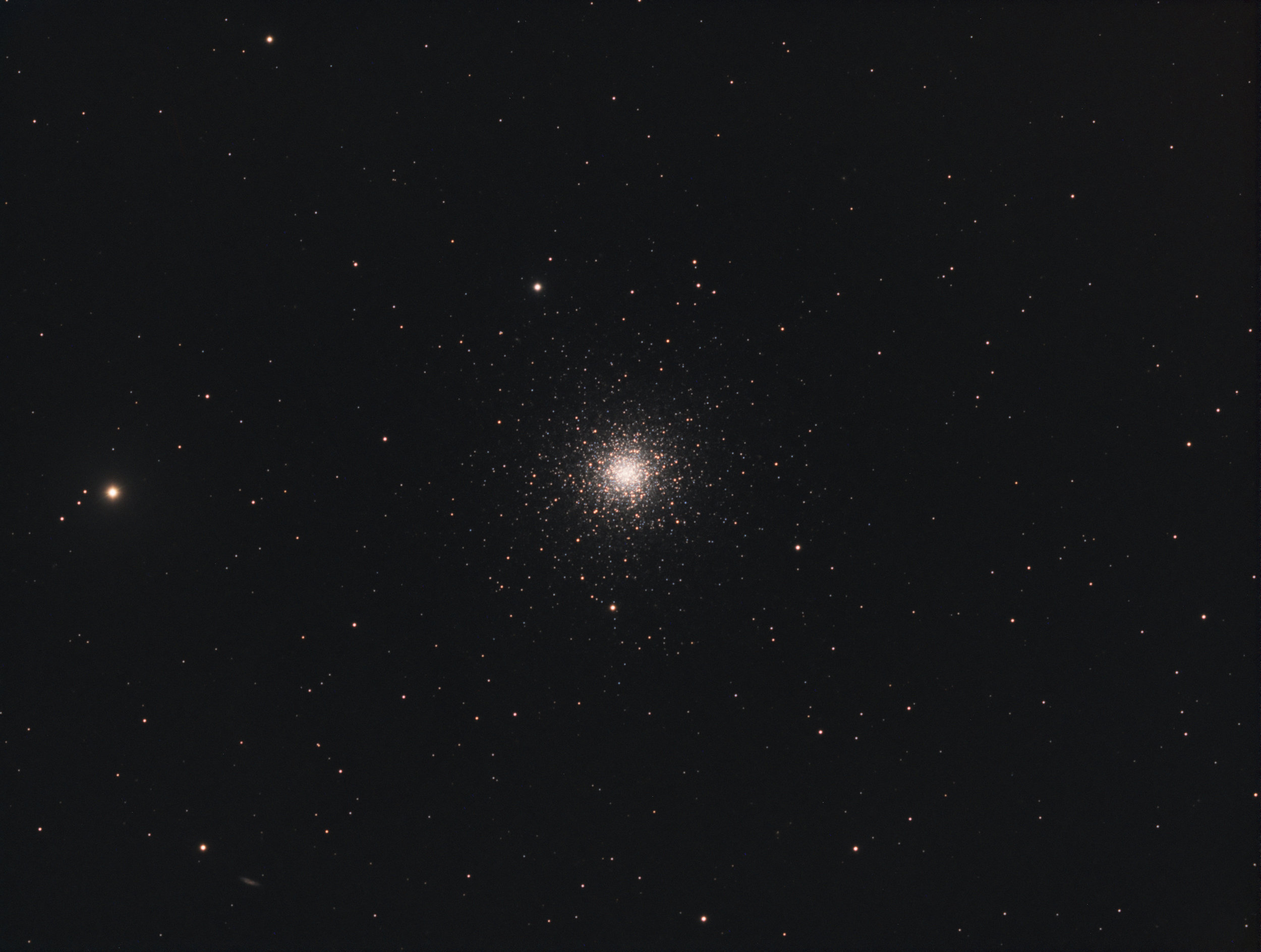
M3... considered one of the finest northern globular clusters. Taken from light a light polluted sky in Davie FL.
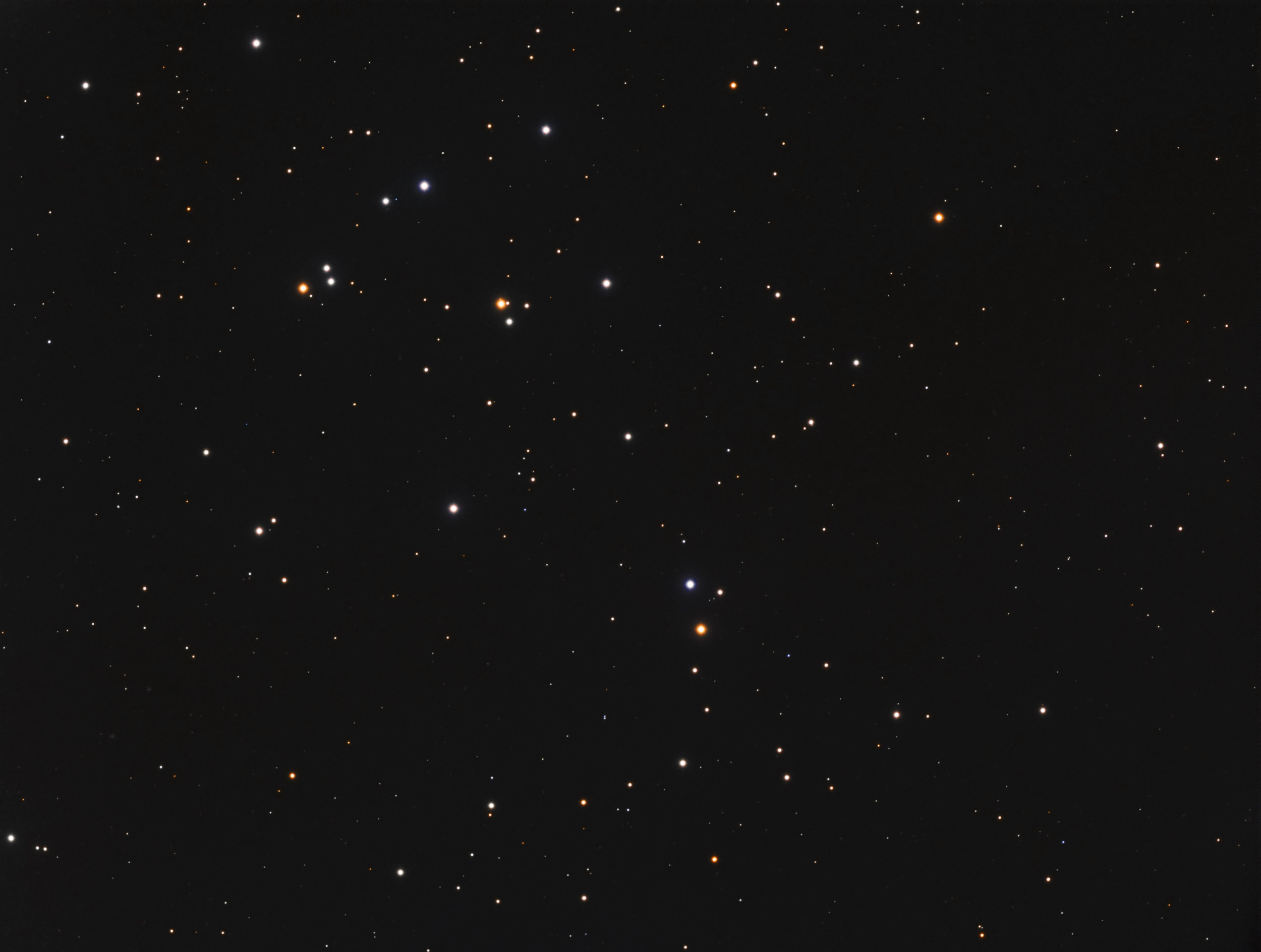
Under dark skies the Beehive Cluster looks like a nebulous object to the naked eye; thus it has been known since ancient times.
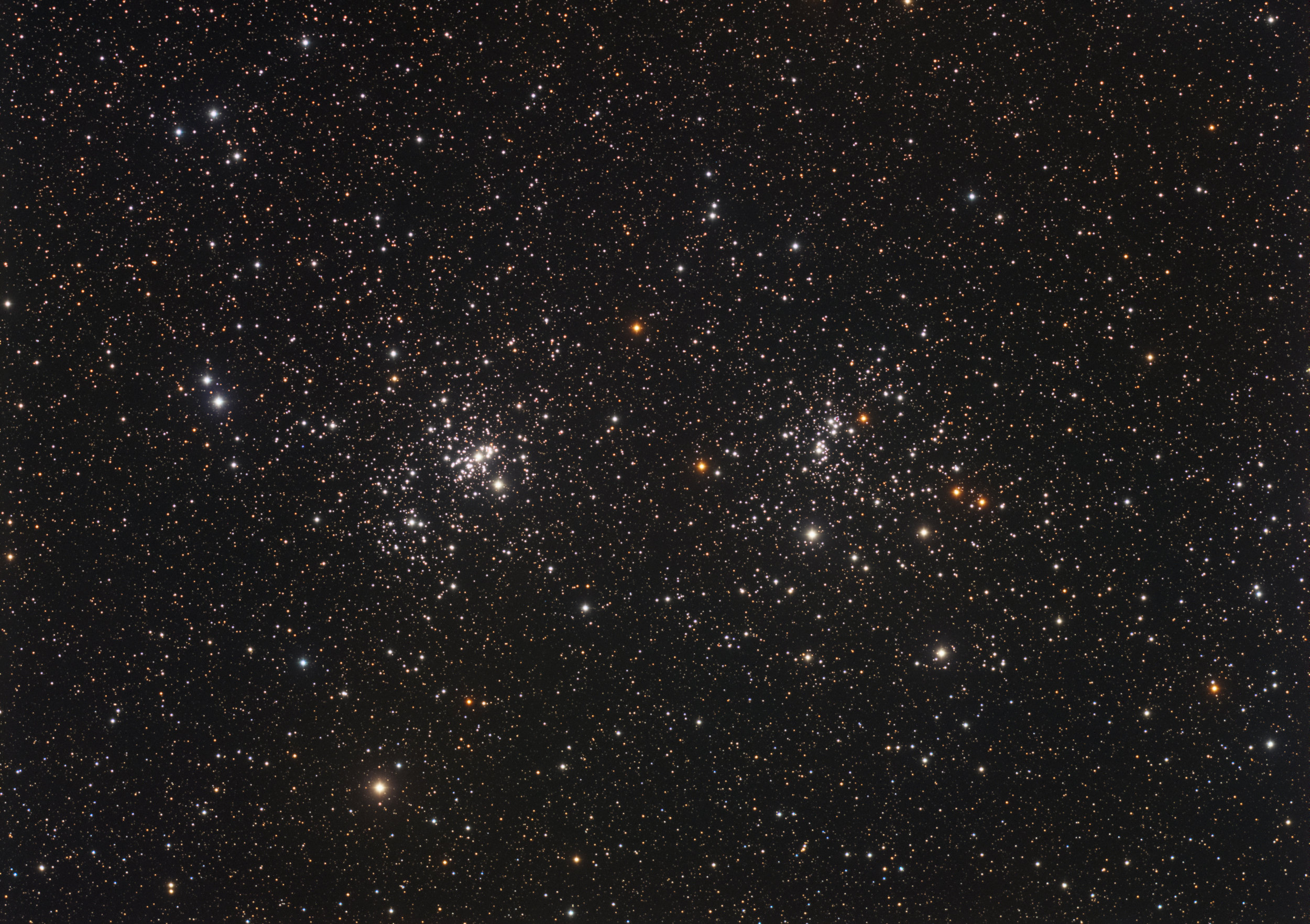
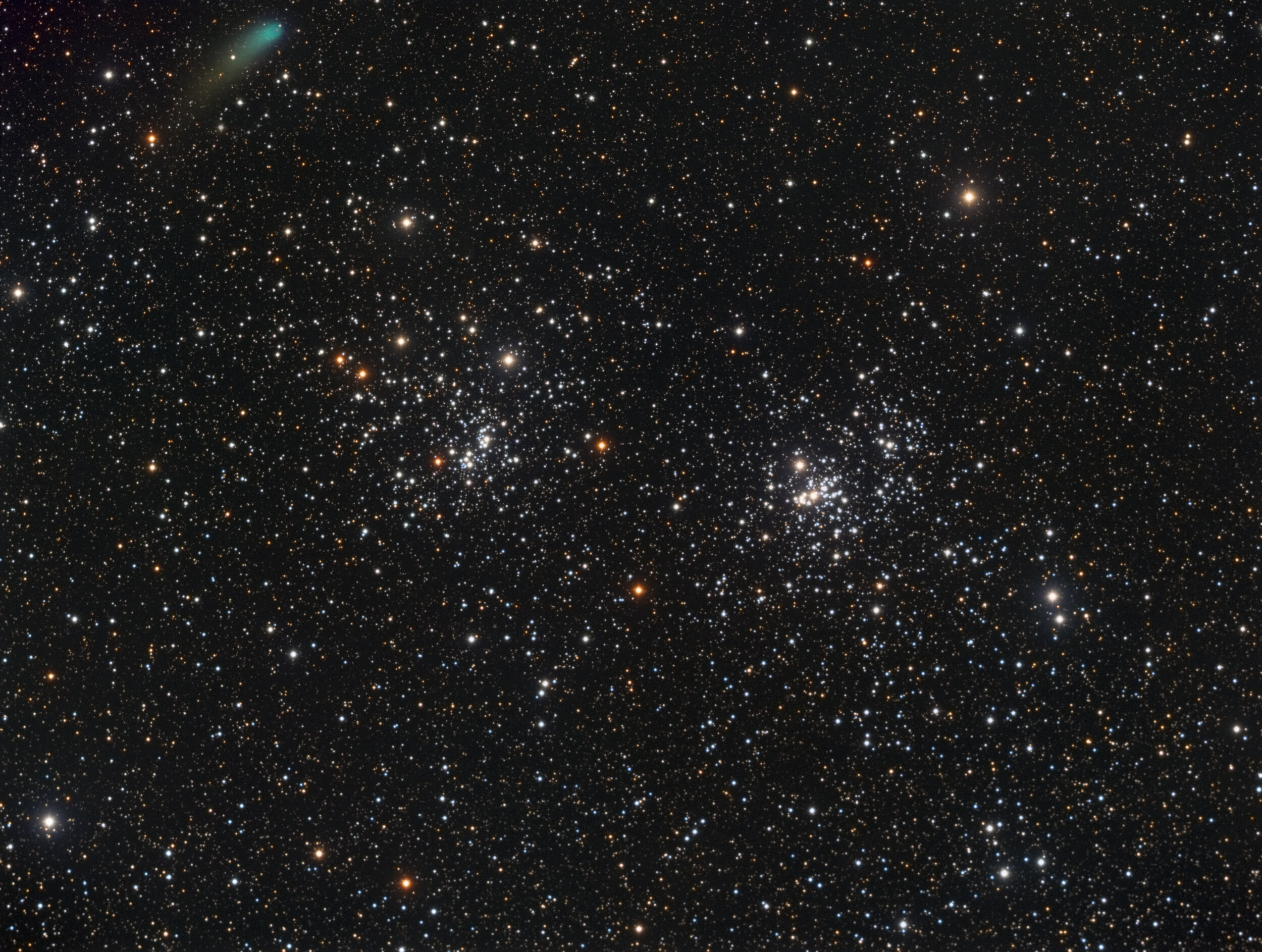
Both visible with the naked eye, NGC 869 and NGC 884 lie at a distance of 7500 light years.

The Wild Duck Cluster is one of the richest and most compact of the known open clusters, containing about 2900 stars. Its age has been estimated to about 250 million years. Its name derives from the brighter stars forming a triangle which could resemble a flying flock of ducks (or, from other angles, one swimming duck).
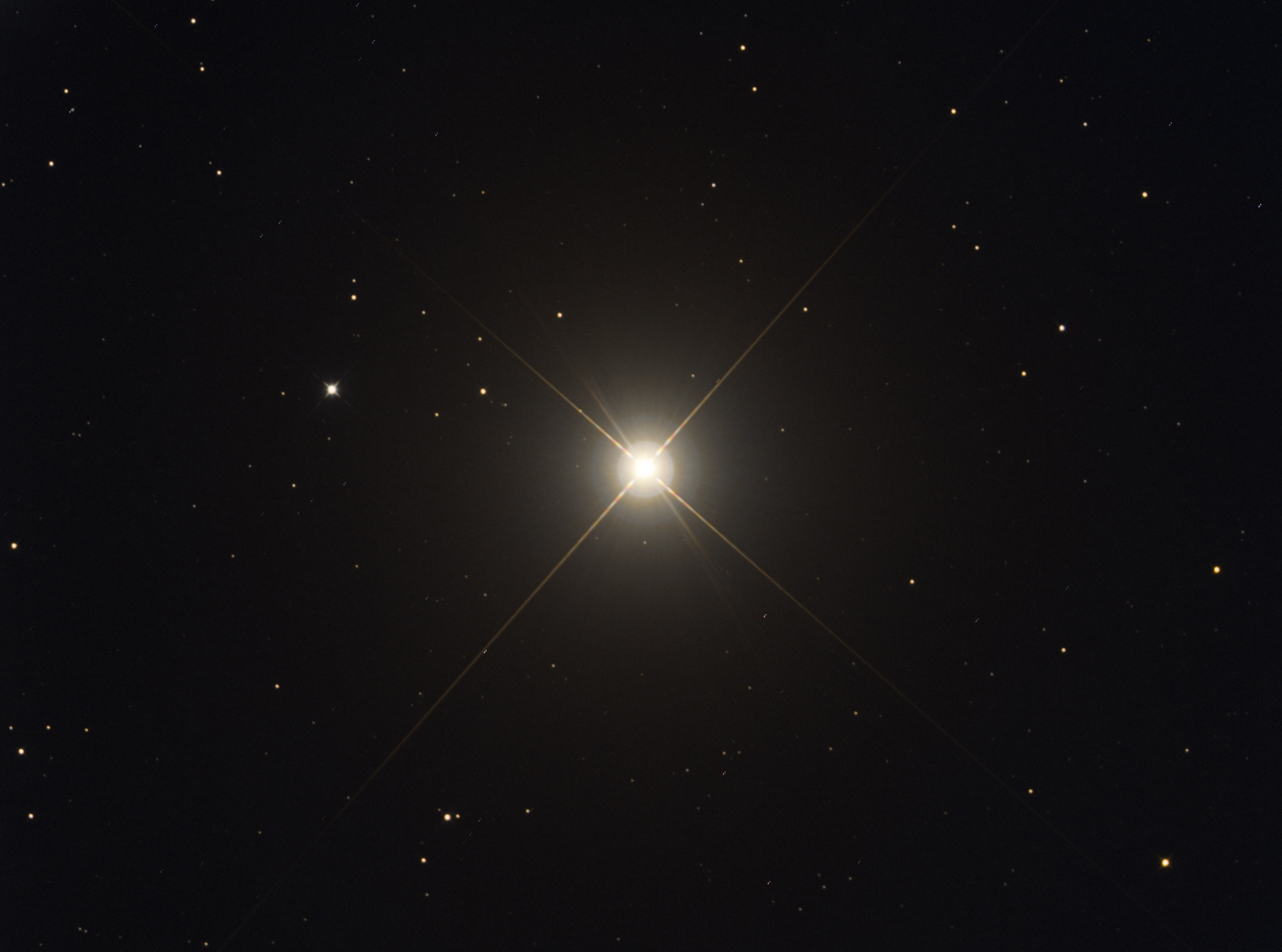
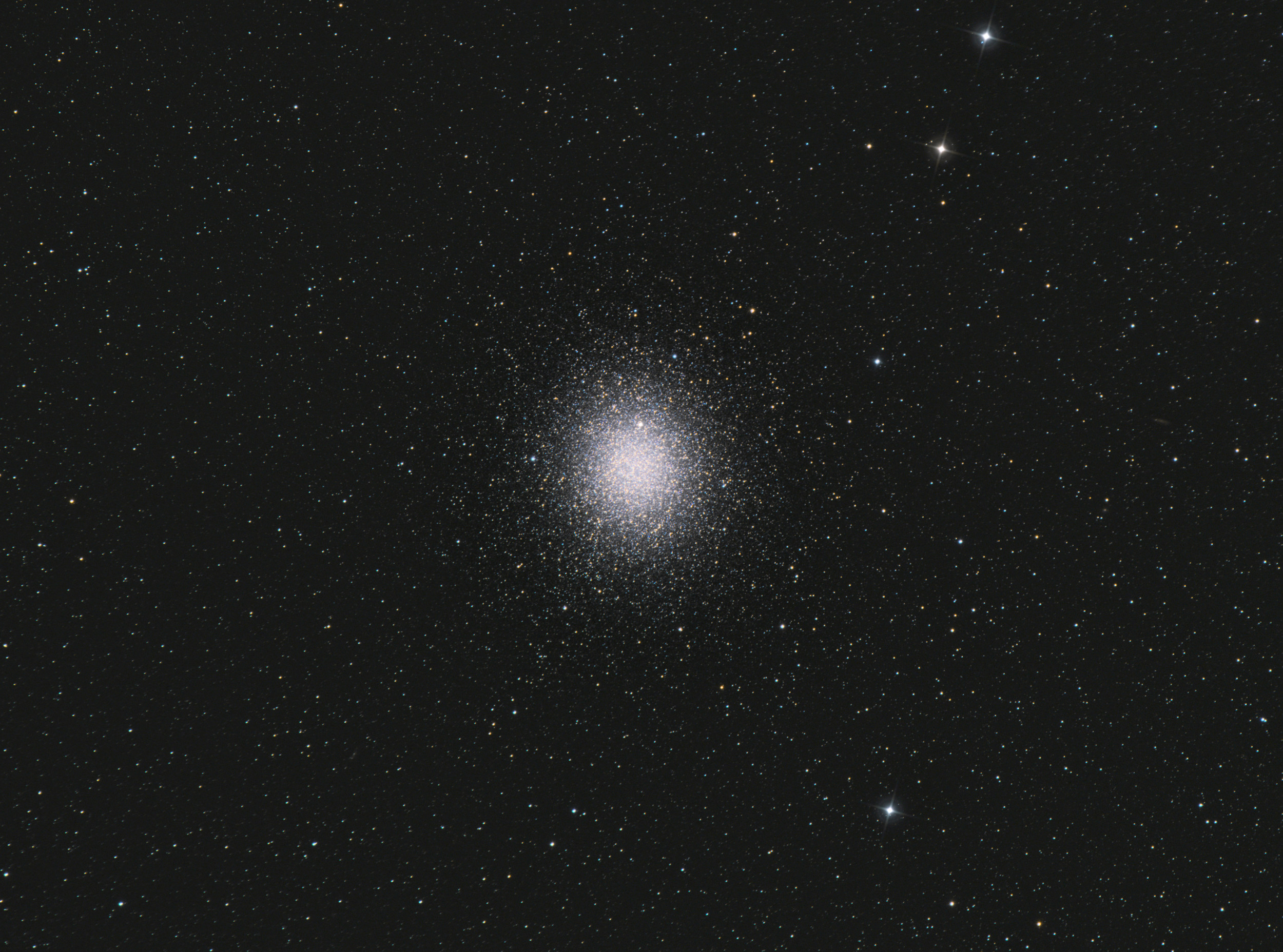
The brightest and largest globular cluster in the Milky Way, containing as many as 10 million stars
The globular cluster is found in the constellation Centaurus, in the Southern Hemisphere.
It is 16,000 light-years from earth.
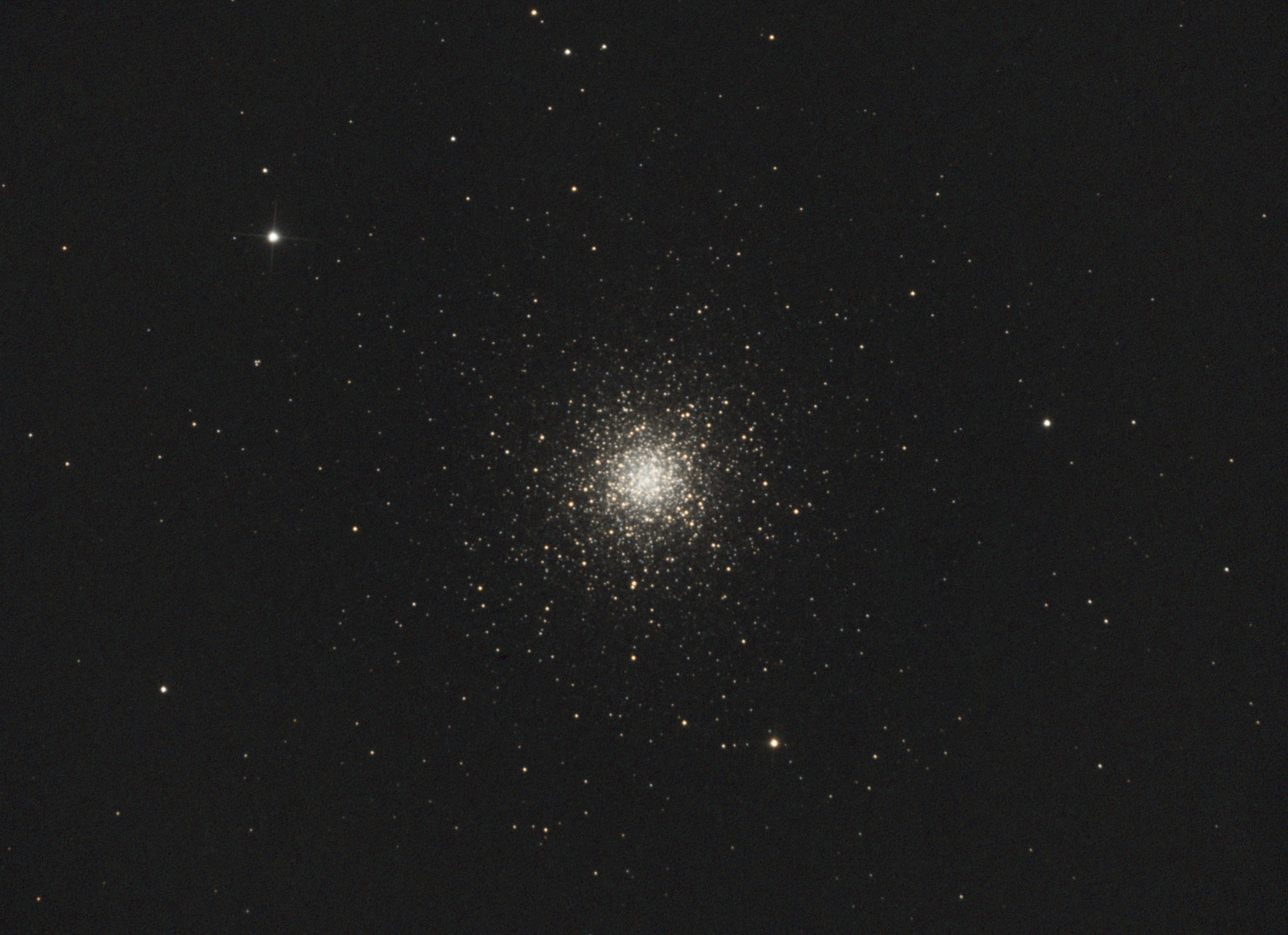
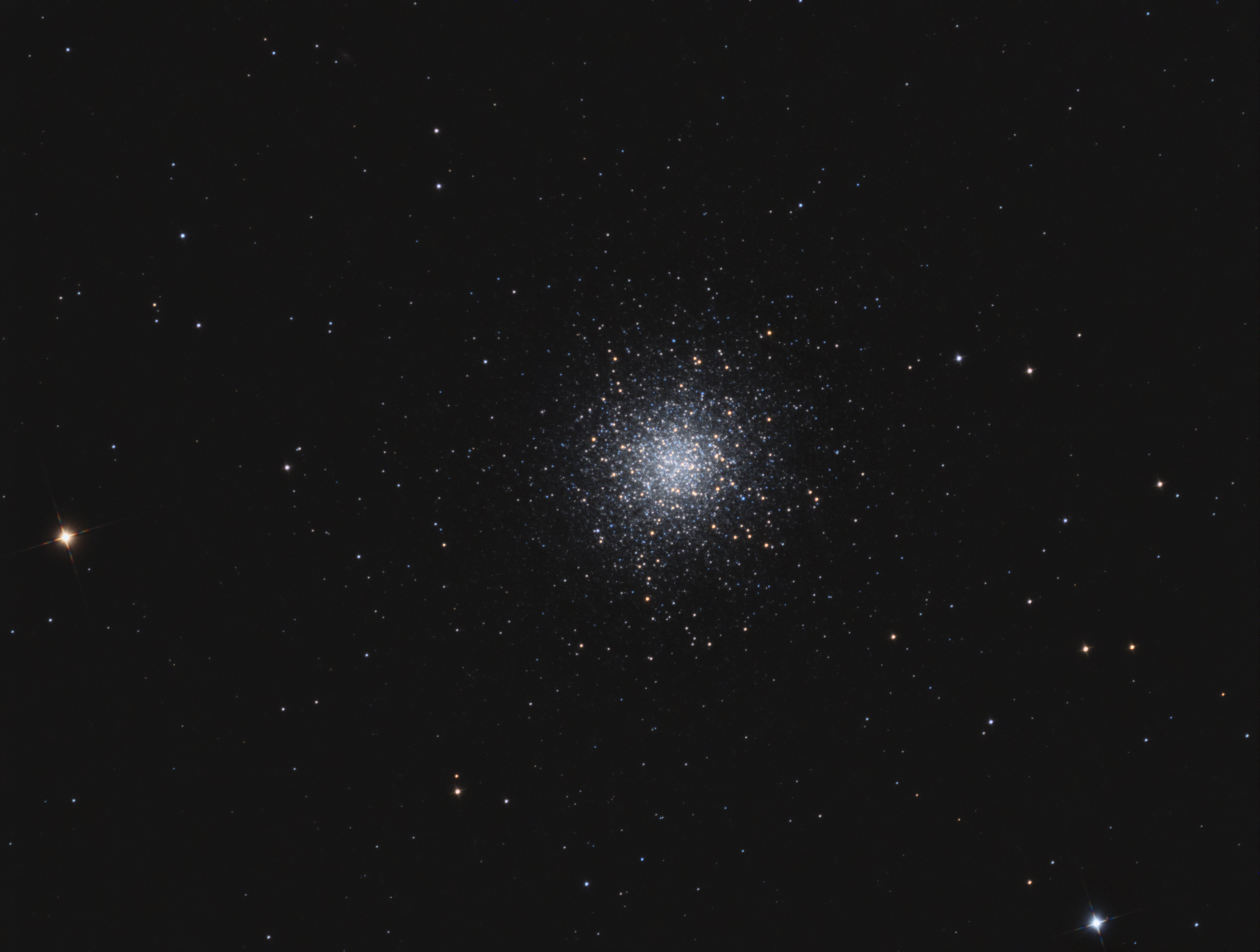
The Great Globular Cluster in Hercules or M13, is a globular cluster of about 300,000 stars in the constellation of Hercules.


Capturing the beauty of the Great Globular Cluster. Check out my 6.5-hour integration of M13, captured from the Bortle 4 skies of Mars Hill, NC.