
Planetary Nebulas
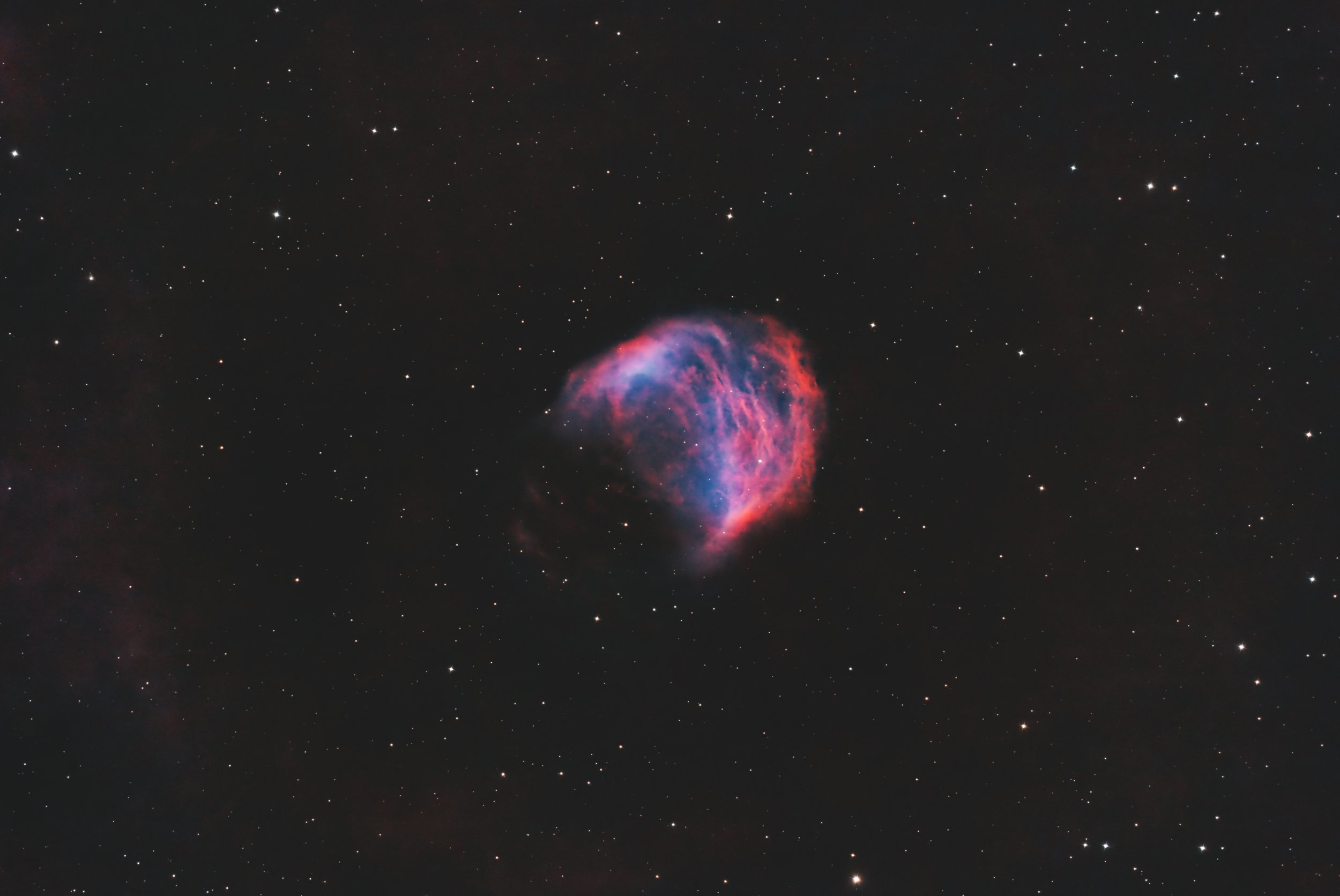
Using narrowband Ha and OIII filters, I recently took an image of the Medusa Nebula, a stunning emission nebula located in the constellation Gemini.
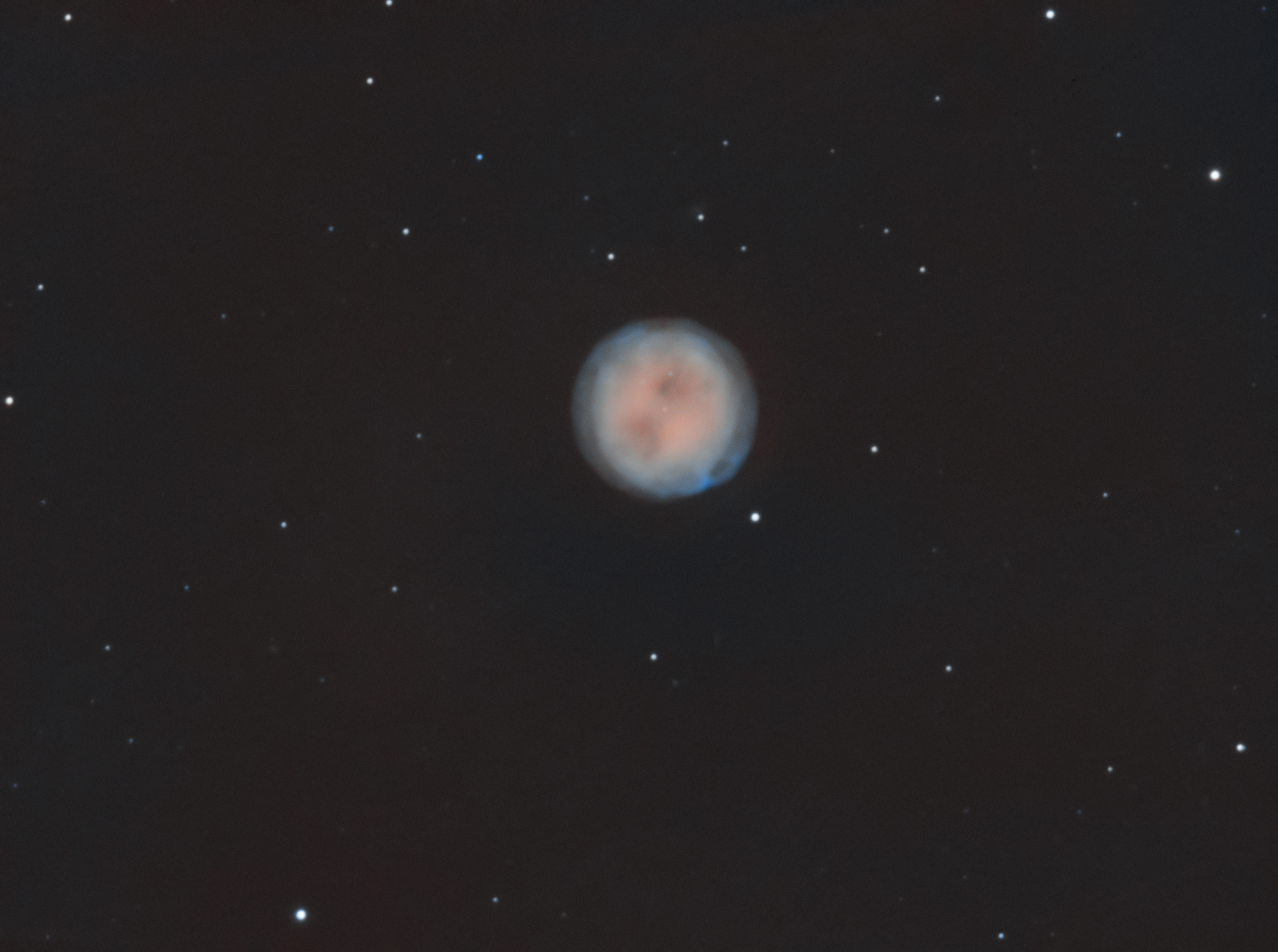
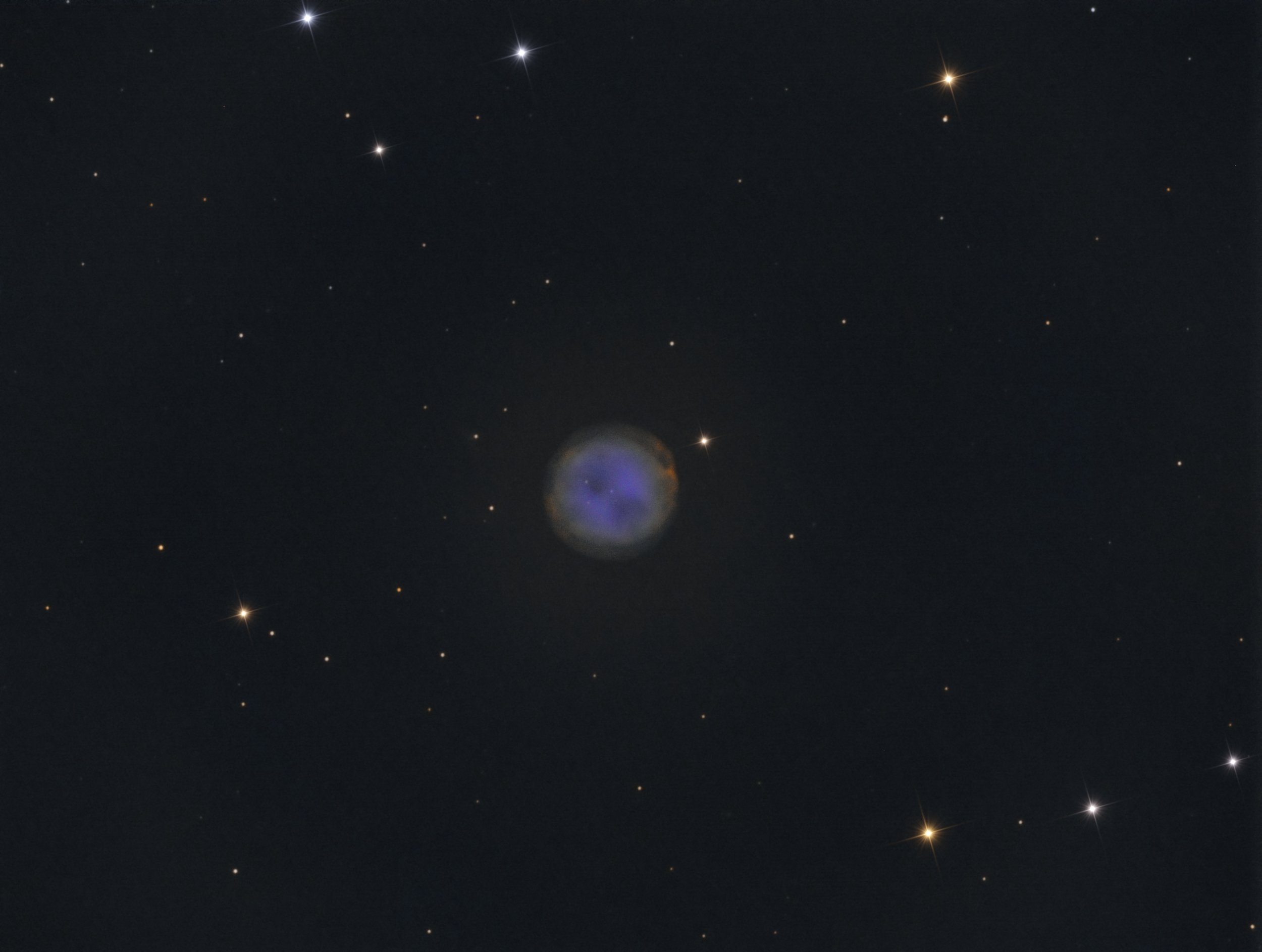
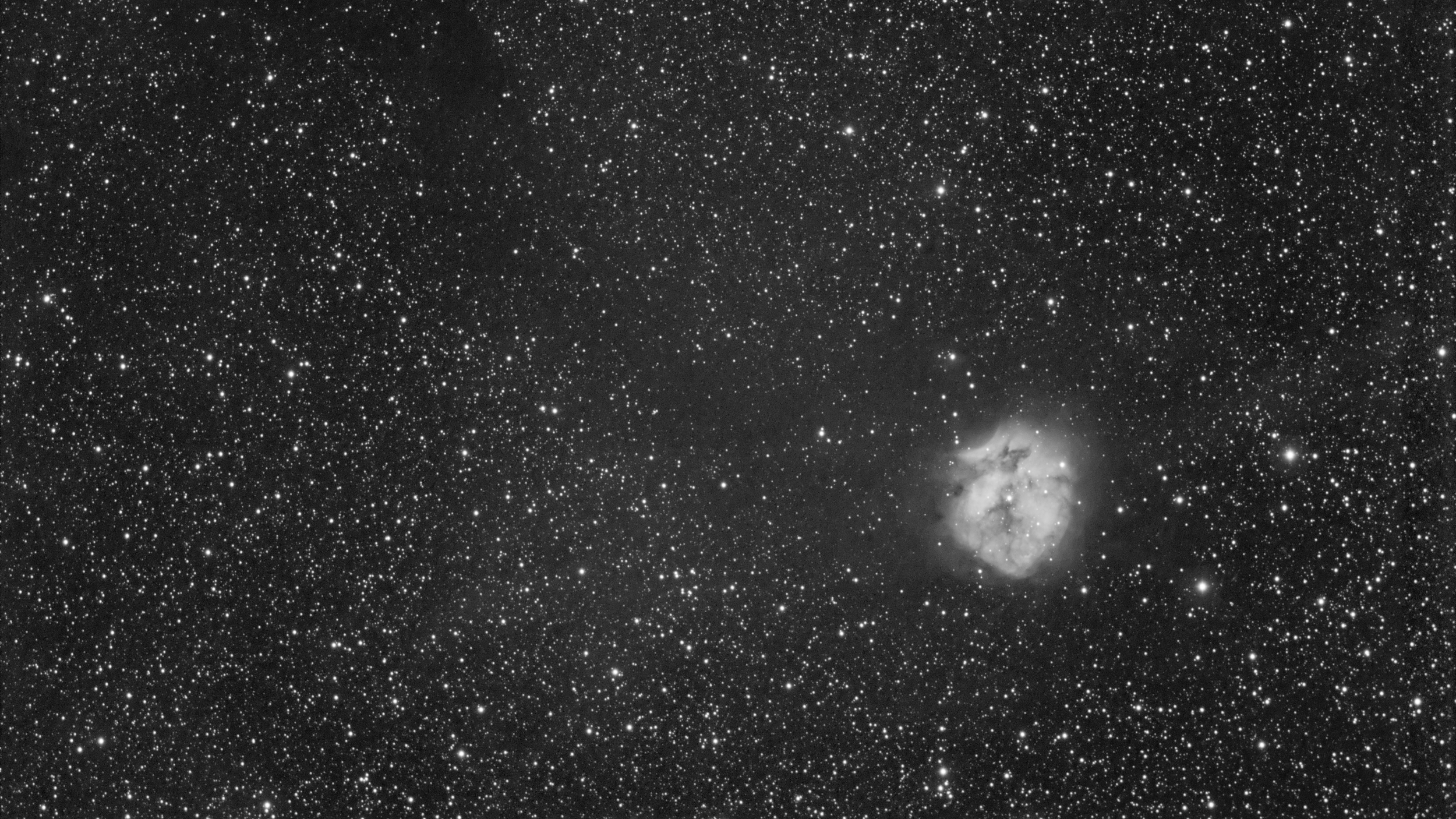
Although the Owl Nebula can not be seen with the naked eye, a faint image of it can be observed under remarkably good conditions with a small telescope or 20×80 binoculars or taking 8 hours of images!
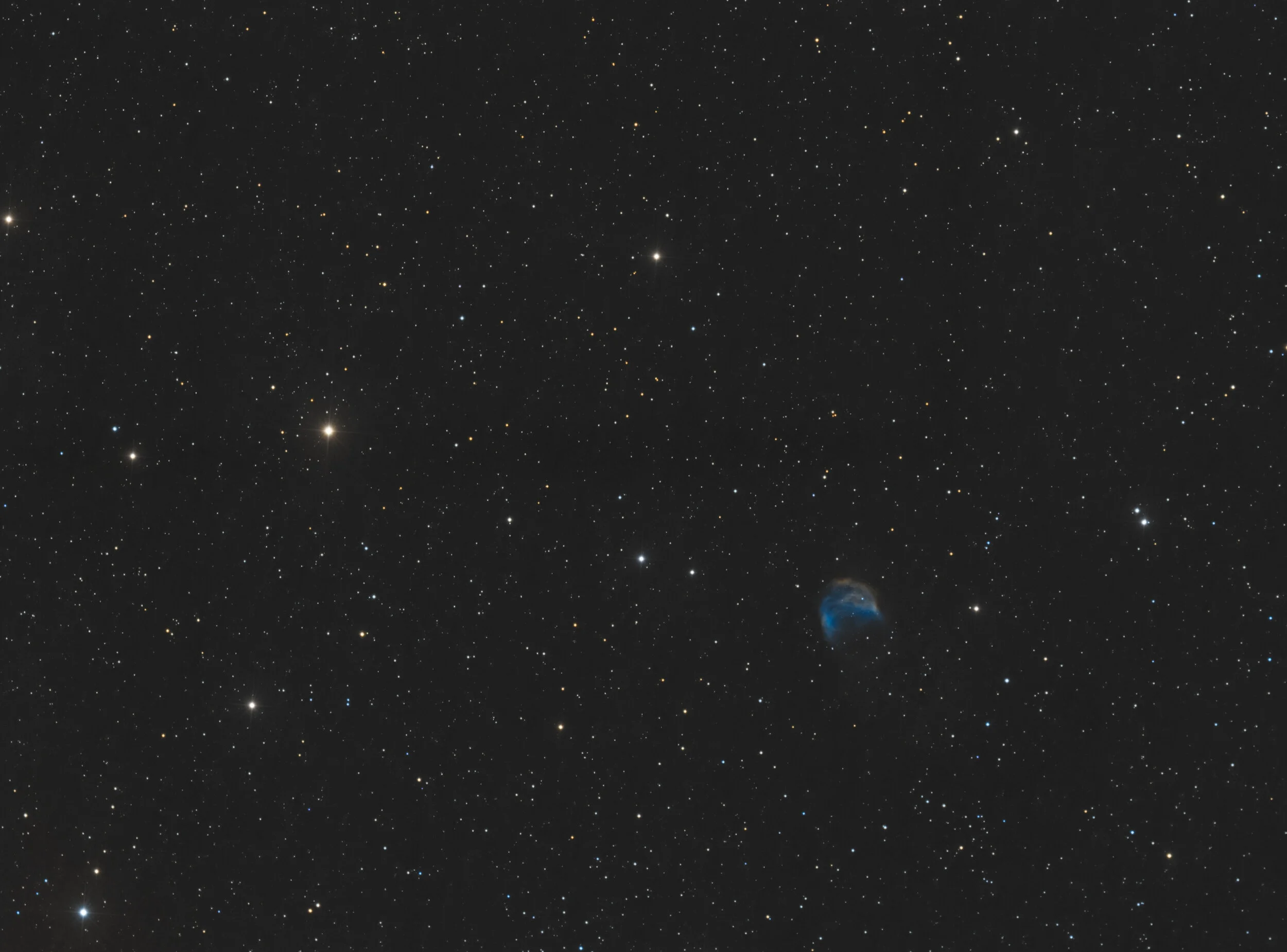
The Medusa Nebula is a planetary nebula in the constellation of Gemini. It is also known as Abell 21 and Sharpless 2-274. It was originally discovered in 1955 by University of California, Los Angeles astronomer George O. Abell, who classified it as an old planetary
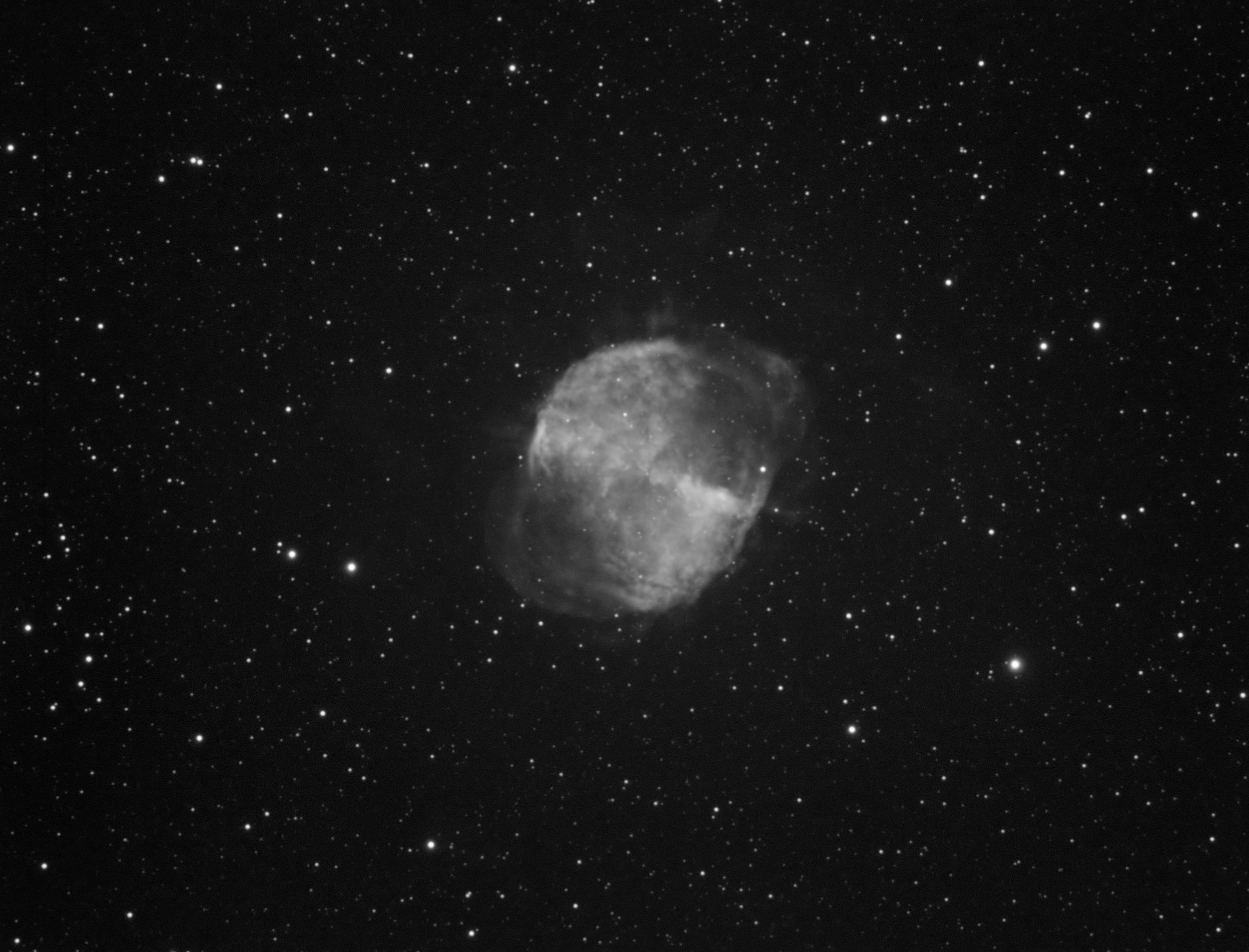
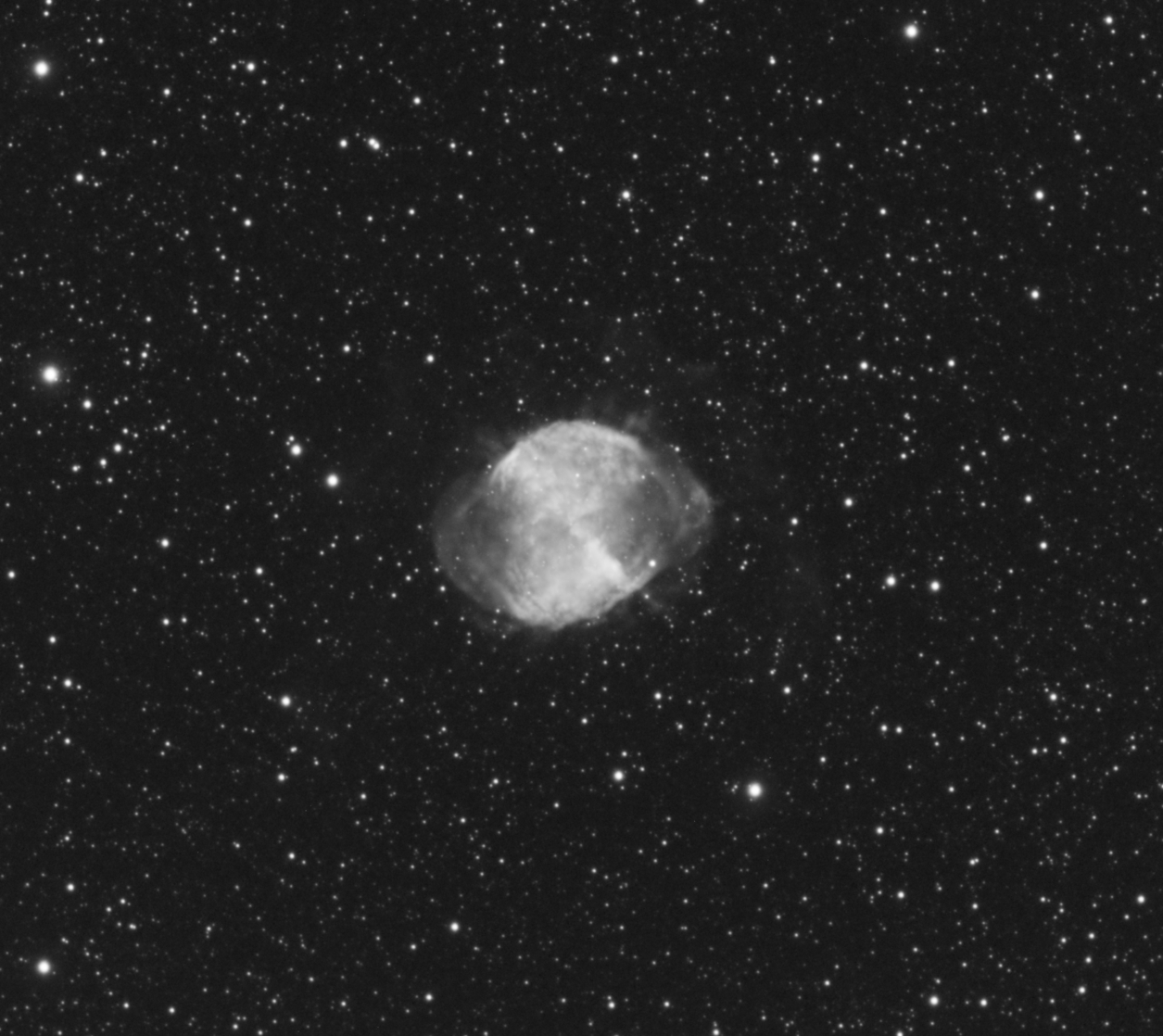
The progression of data collection on M27. See how adding more time and then finally flats to my HA data collected on M27 affects the final image.
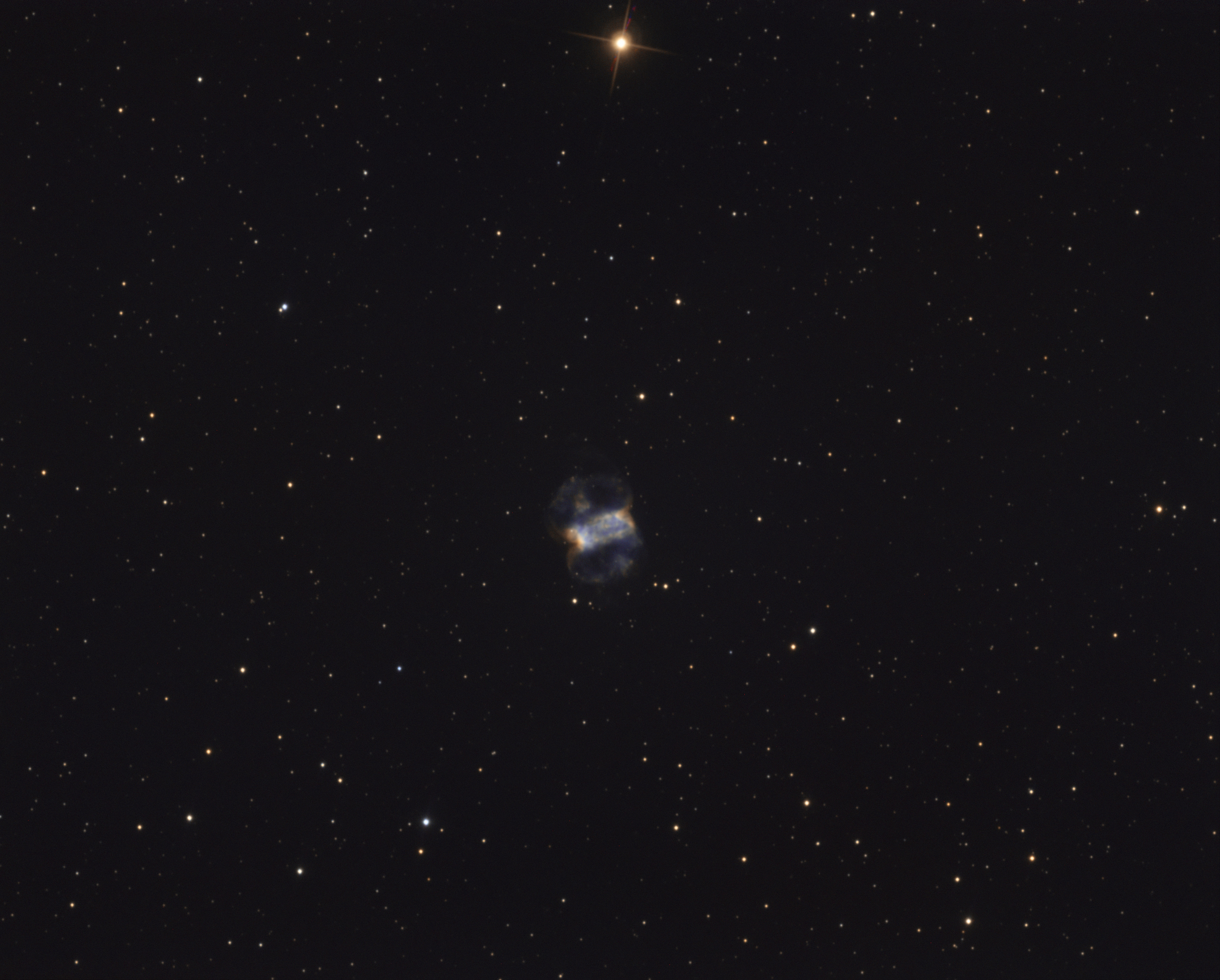
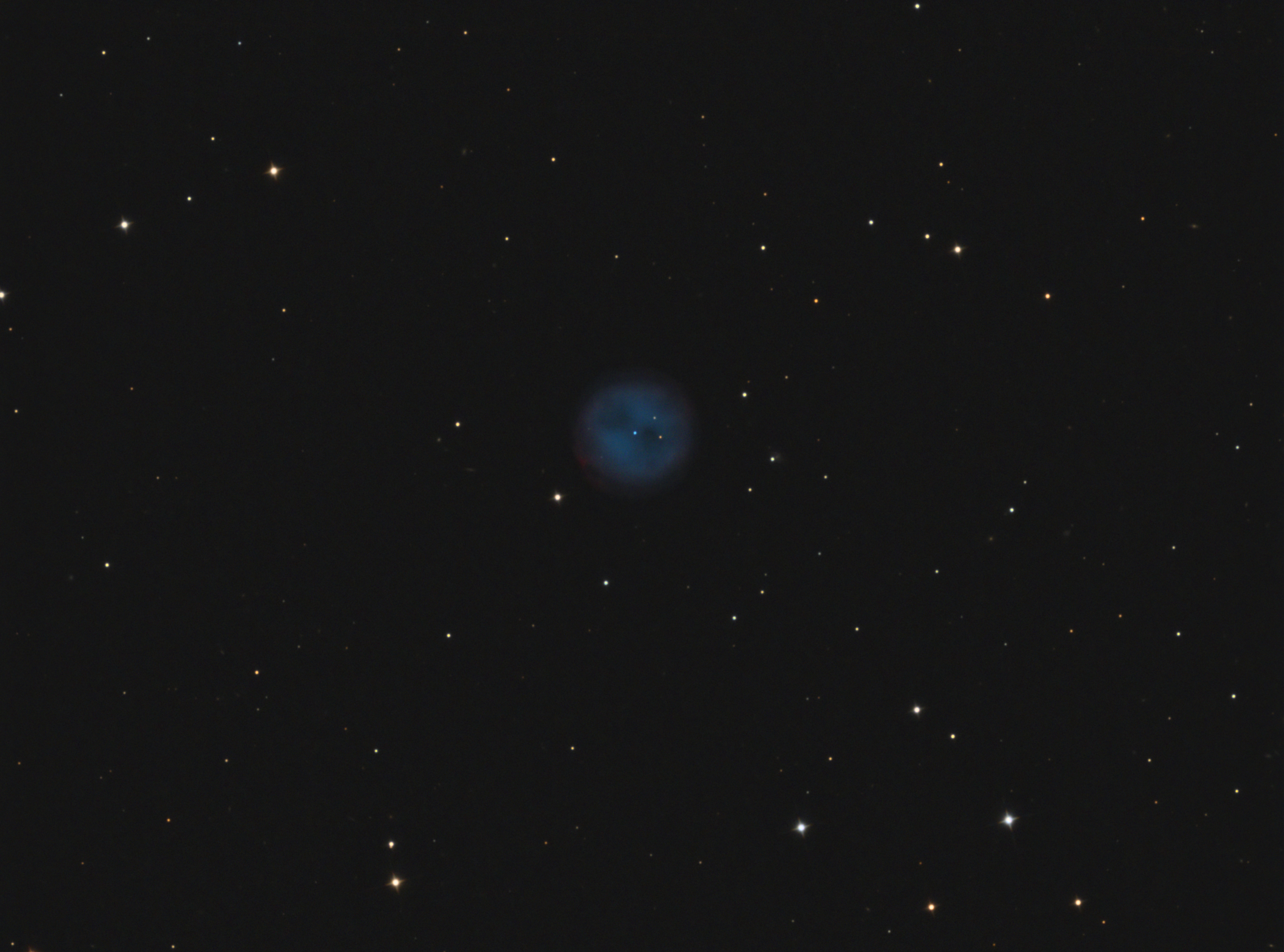
The Owl Nebula is a planetary nebula located approximately 2,030 light years away in the constellation Ursa Major.This object is known by the catalogue identifiers Messier Object 97 (M97) and NGC 3587. It was discovered by French astronomer Pierre Méchain on February 16, 1781 When William Parsons, 3rd Earl of Rosse observed the nebula in 1848, his hand-drawn illustration resembled an owl's head. It has been known as the owl nebula ever since.
Taken from my backyard in South Florida under Bortle 7 skies, this image of M27, the Dumbbell Nebula, was captured using a QHY 533M camera and OIII and H-alpha filters. Over 2 nights, I spent about 8 hours on each channel to bring out the details of this planetary nebula. The bi-color processing highlights the OIII and H-alpha emissions, with the teal and red tones revealing the complex structure of the nebula as it drifts through space.