

The Rosette Nebula aka NGC 2244
Captured in narrowband hydrogen-alpha light, the Rosette Nebula reveals its intricate tendrils of gas and dust, illuminated by the intense radiation of young, massive stars nestled within its heart.

The Horsehead Nebula
From the iconic silhouette of the equestrian motif to the nuanced interplay of light and shadow within its celestial surroundings, this image stands as a testament to the boundless wonders awaiting discovery in the unfathomable depths of space.
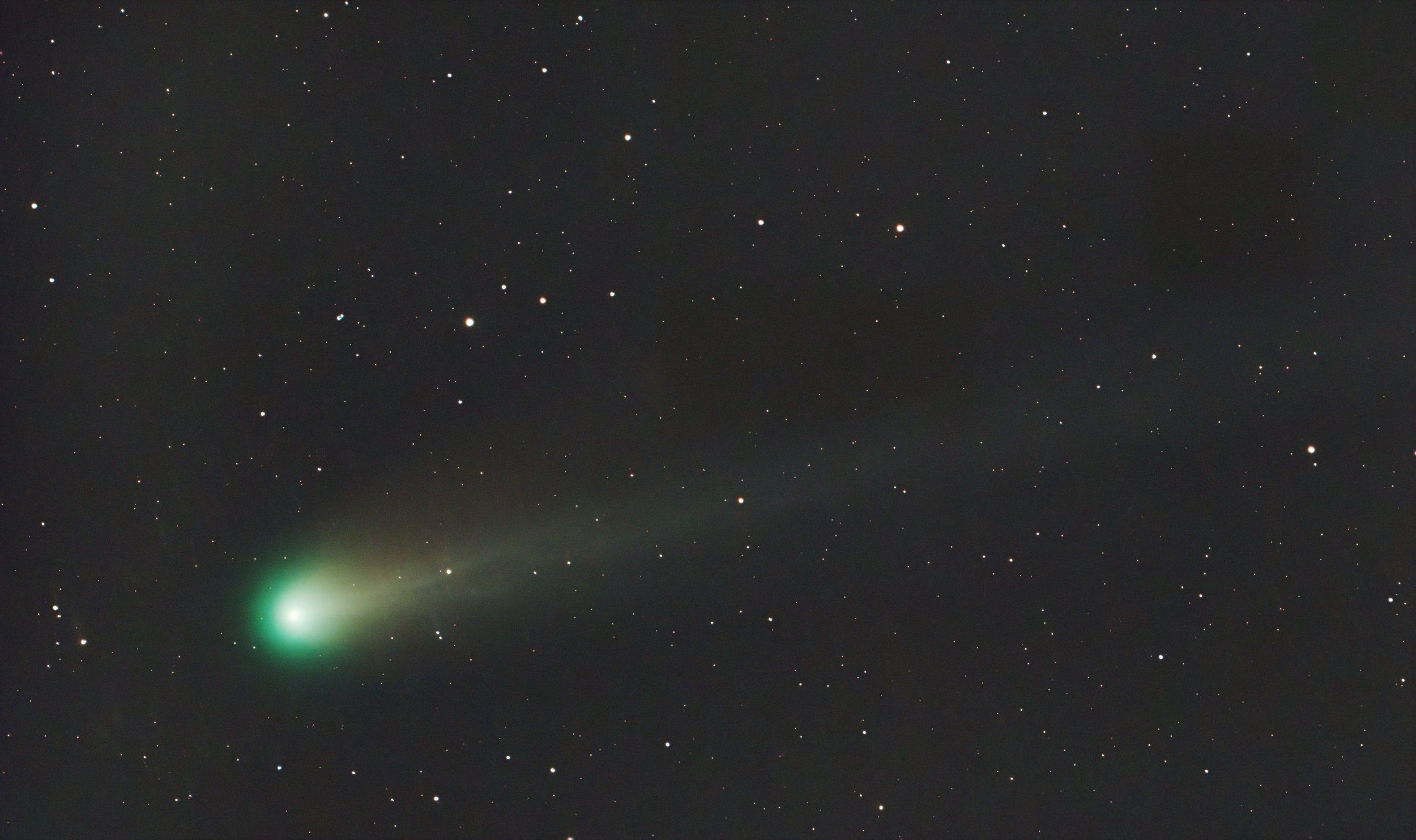
Comet 12/P Pons-Brooks
These images of Comet Pons-Brooks was captured on 03/10-3/12 2024, from 7:40 pm to9:10 pm.

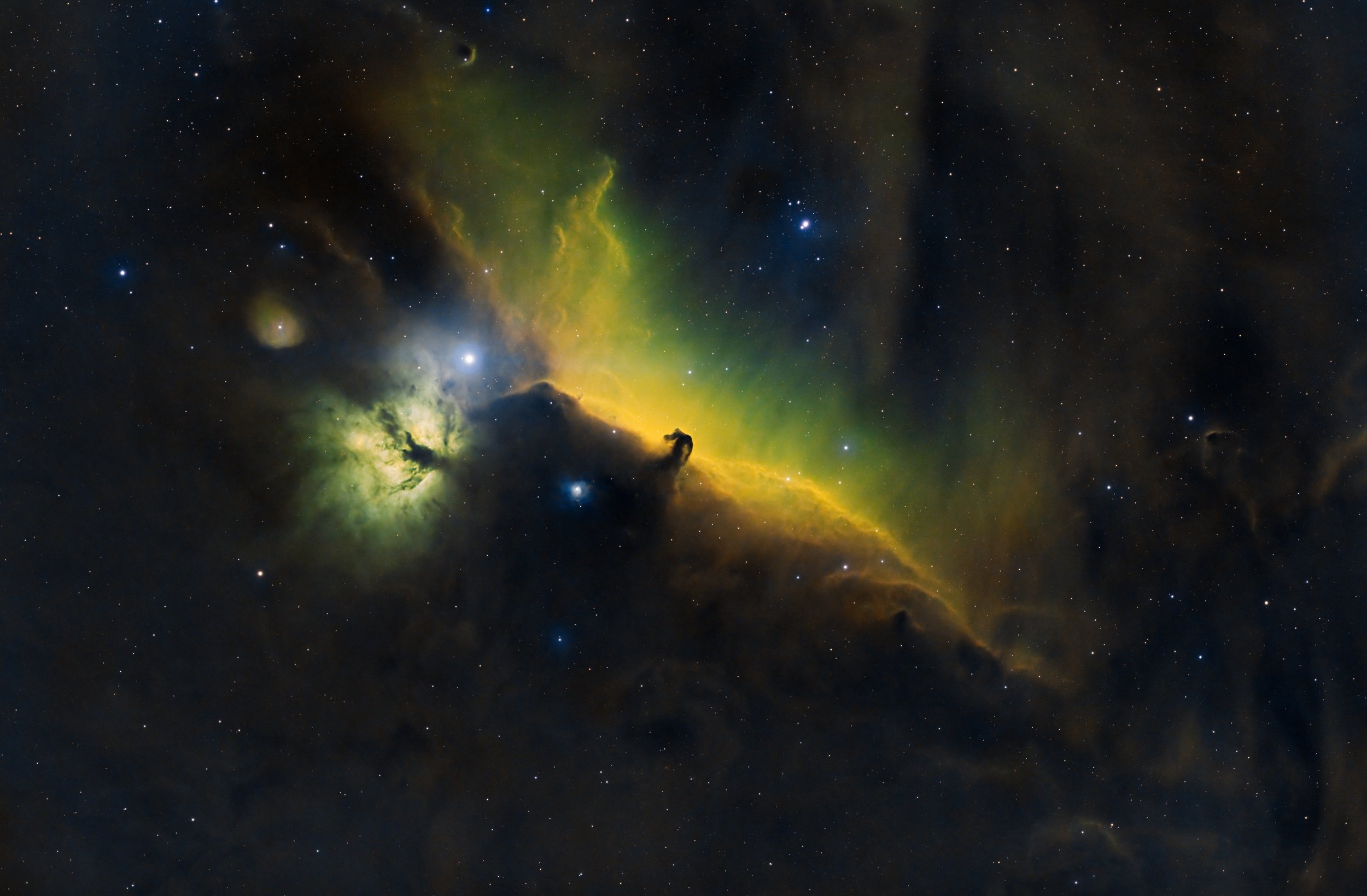
The Horsehead Nebula, also known as Barnard 33
Horsehead Nebula, also known as Barnard 33, is a dark nebula located in the constellation Orion. It sits within the emission nebula IC 434, which is illuminated by the nearby star Sigma Orionis. The distinctive shape of the Horsehead Nebula resembles that of a horse's head, hence its name.
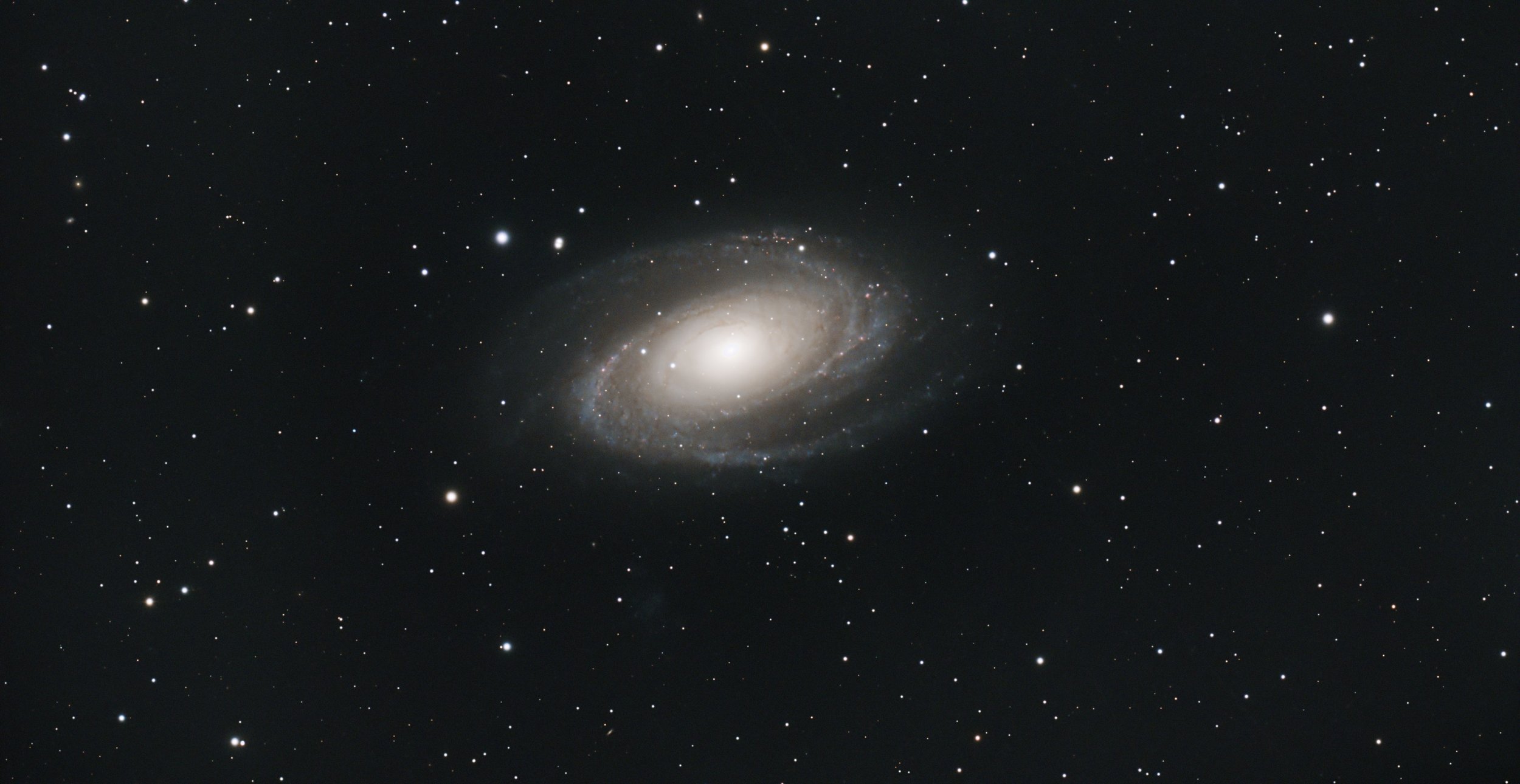
M81
M81, also known as Bode's Galaxy, is a spiral galaxy located in the constellation Ursa Major. It's about 12 million light-years away from Earth and is one of the brightest galaxies visible from the northern hemisphere. M81 is notable for its active galactic nucleus, which contains a supermassive black hole.
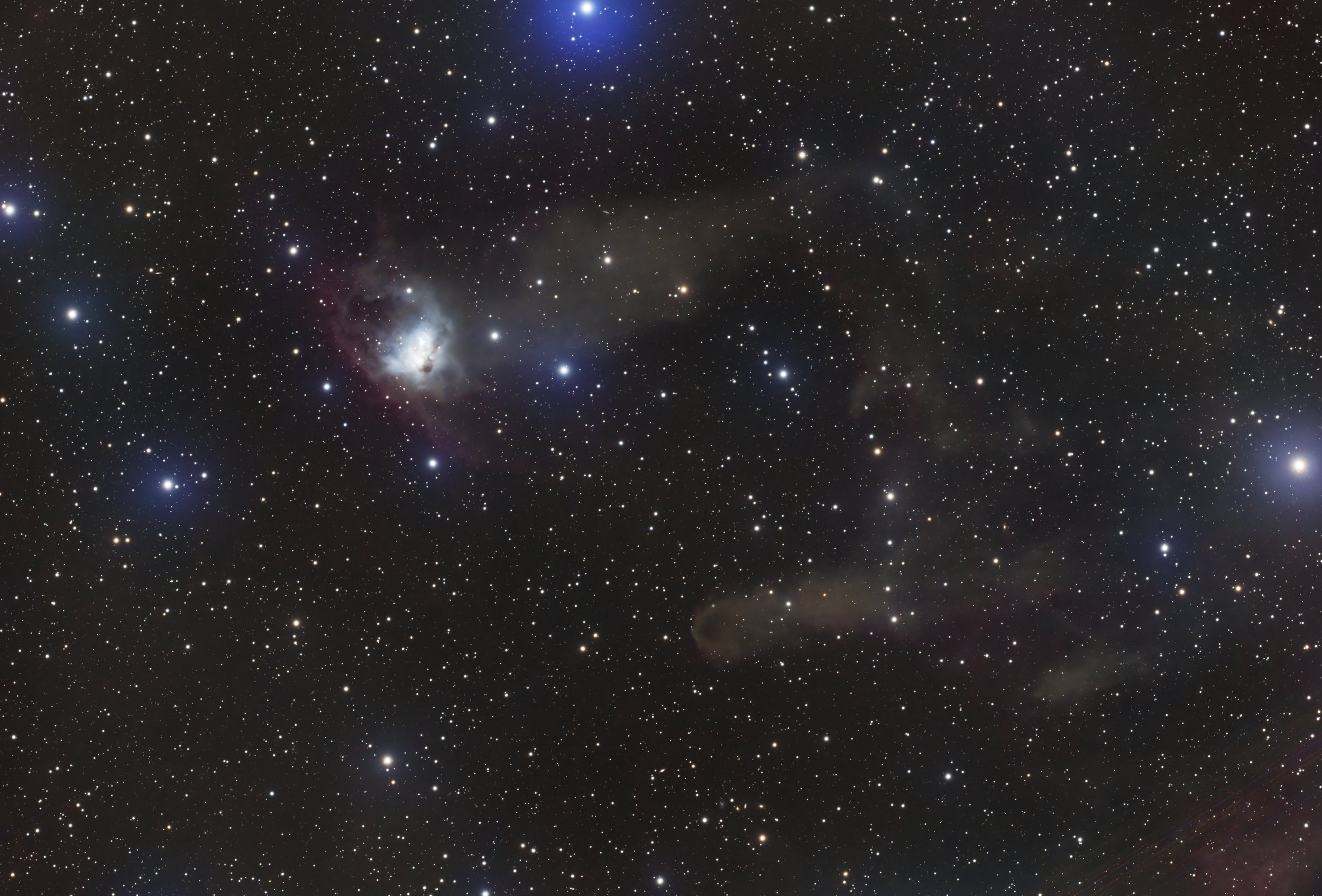
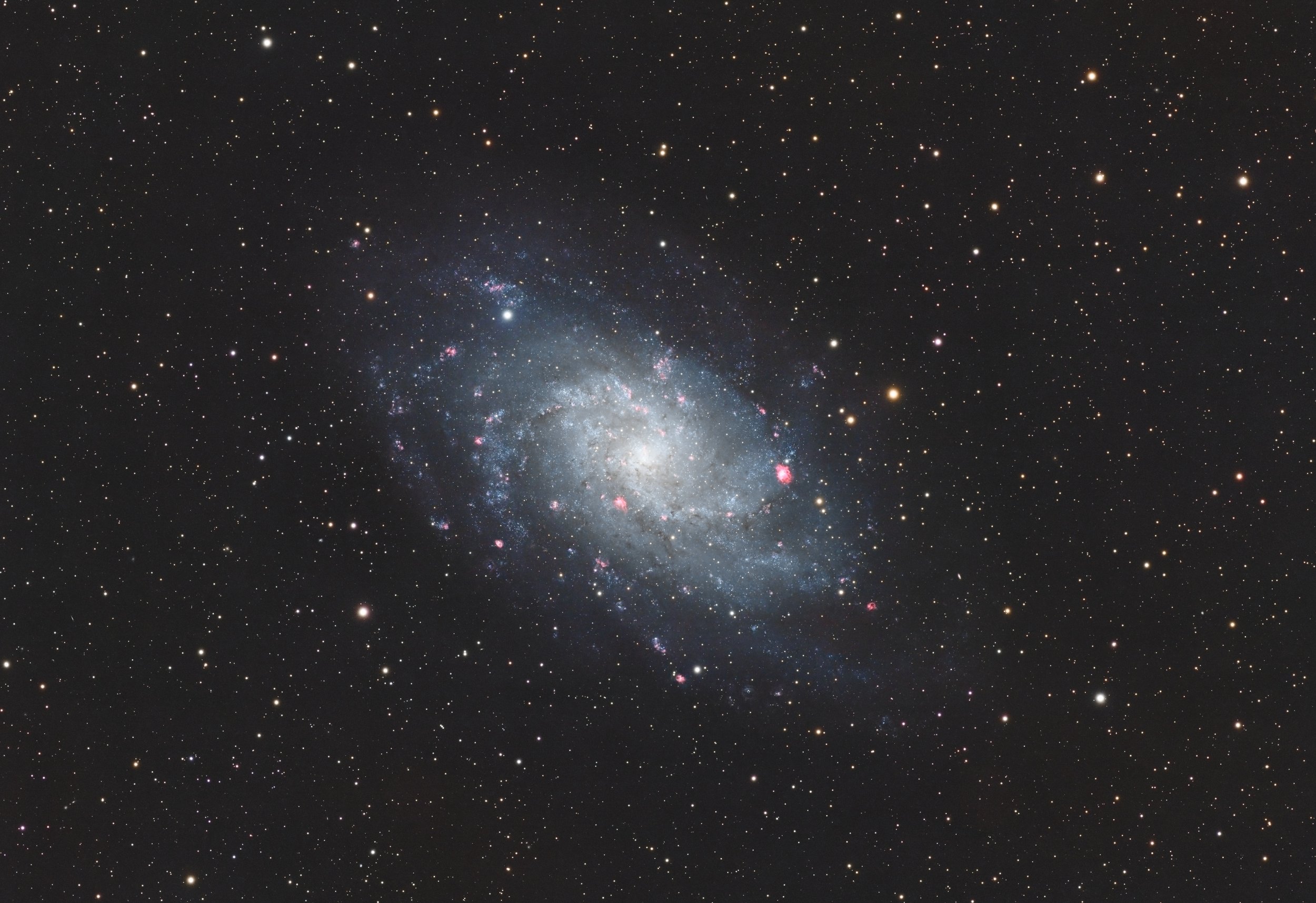
M33 in L Ha RGB: A Galactic Odyssey Across Florida Skies
This composite image of M33, the Triangulum Galaxy, utilizes luminance (L), hydrogen alpha (Ha), and red, green, blue (RGB) filters to unravel the celestial tapestry of this spiral marvel
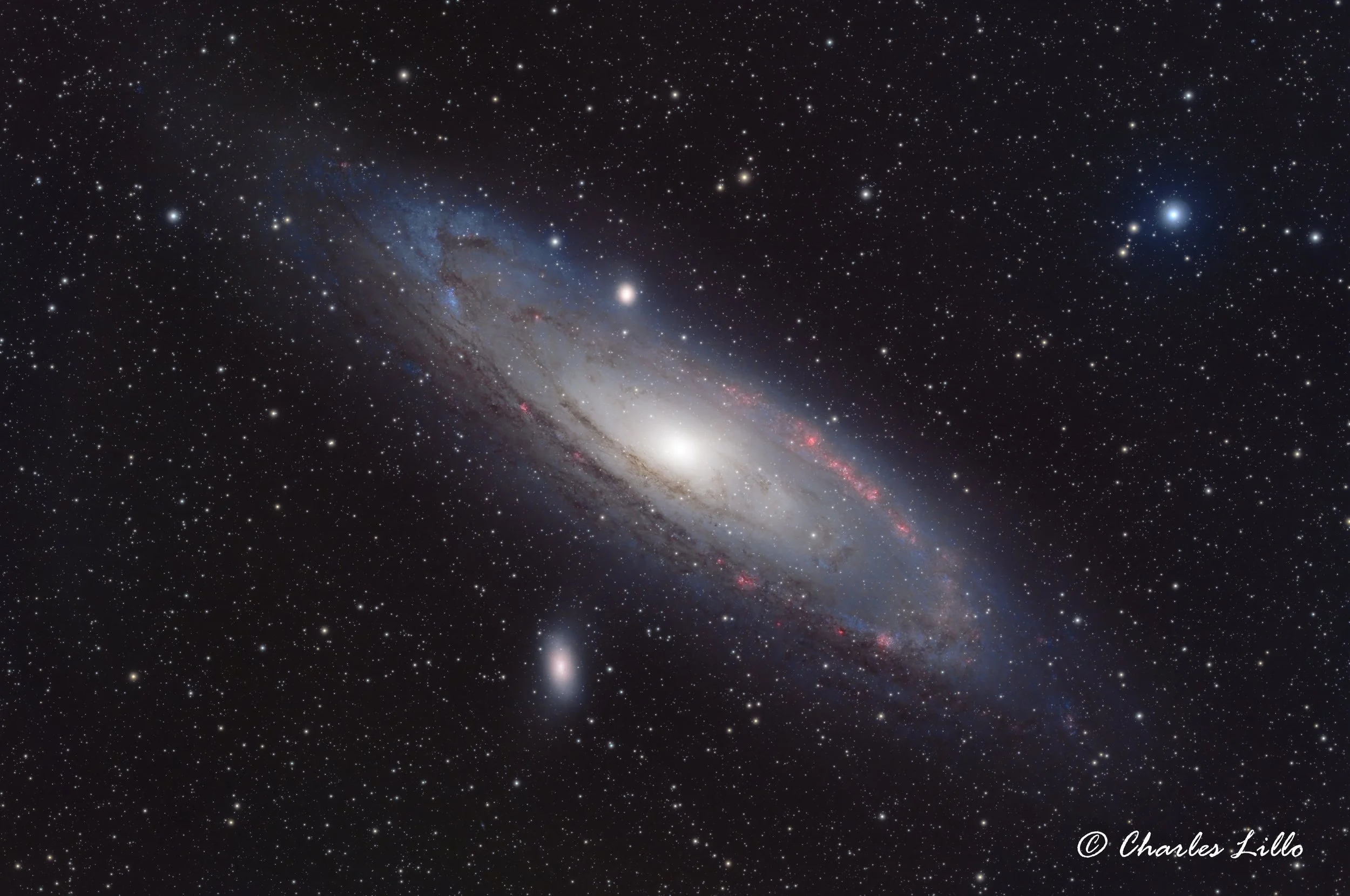
The Andromeda Galaxy
This composite image of the Andromeda Galaxy (M31) showcases the stunning beauty and intricate details of this neighboring spiral galaxy. Combining LRGB data with the added Hydrogen-Alpha (Ha) channel, this image provides a comprehensive view of M31, emphasizing the regions within the galaxy where hydrogen gas is actively emitting light at the specific Ha wavelength.
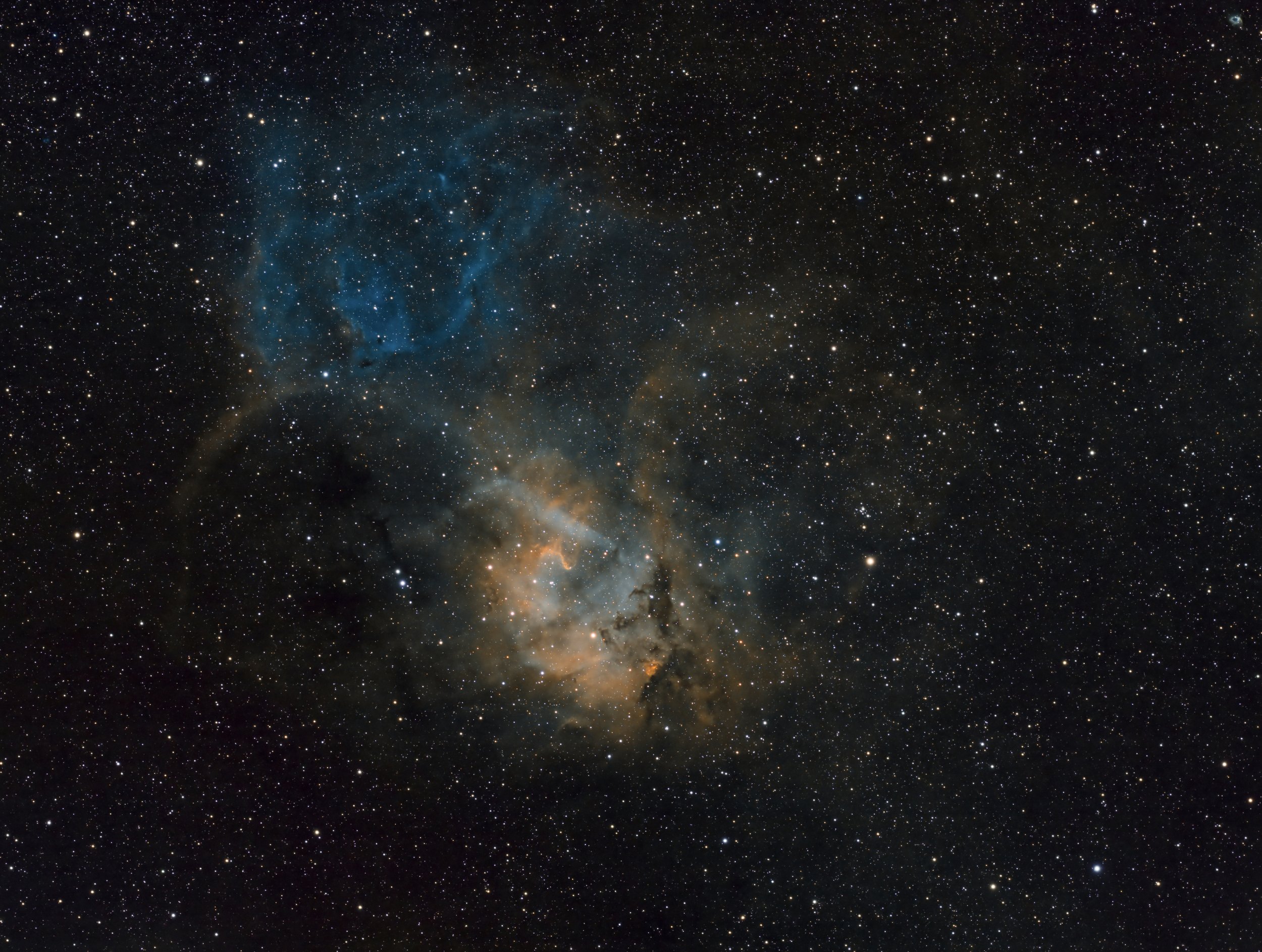
The Lion Nebula
The Lion Nebula, also known as Sharpless 132 (Sh2-132), is a bright emission nebula located in the constellation Cepheus. It's a region of active star formation, characterized by the presence of young, hot stars that emit intense ultraviolet radiation. This radiation ionizes the surrounding hydrogen gas, causing it to glow in the characteristic red color of hydrogen-alpha emission.